
Table of Contents
HDPE Pipe Welding Machines: Working Principle & Maintenance
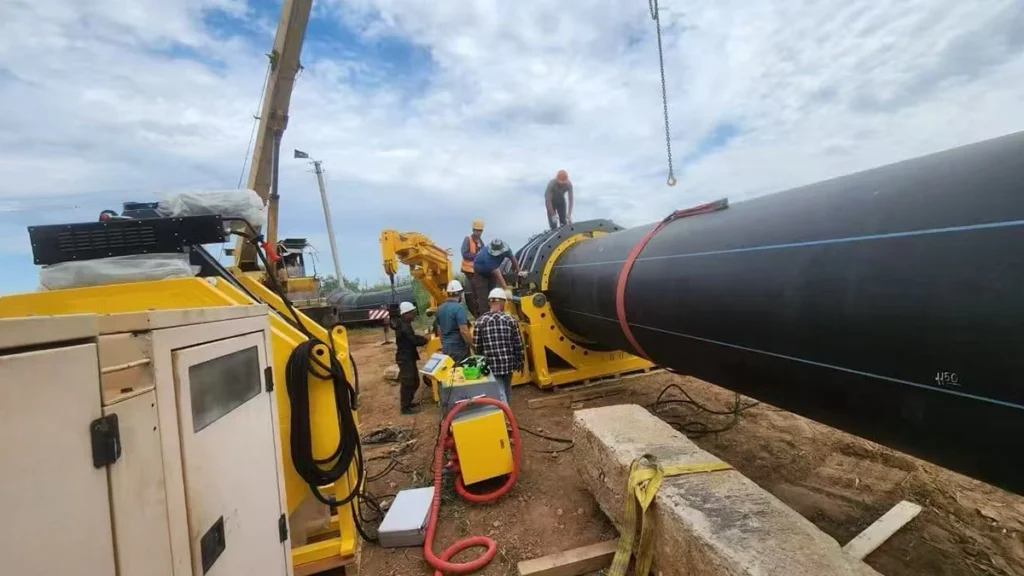
In HDPE pipe installation projects, occasional equipment faults are difficult to avoid, especially when HDPE pipe welding machines are used frequently on construction sites. For operators, understanding the working principle, safety precautions, troubleshooting methods, and daily maintenance of an HDPE pipe welding machine is essential.
Proper knowledge helps prevent incorrect operation, reduce downtime, and protect welding quality. When a hydraulic system, heating plate, trimmer, or control component fails to work properly, operators can make faster judgments and choose the right maintenance or repair solution.
As a professional HDPE pipe welding machine brand, Ekberg focuses on reliable equipment performance for PE and HDPE pipe welding applications, helping contractors, installers, and pipeline project teams improve welding efficiency and equipment service life.
How the Hydraulic System of an HDPE Pipe Welding Machine Works
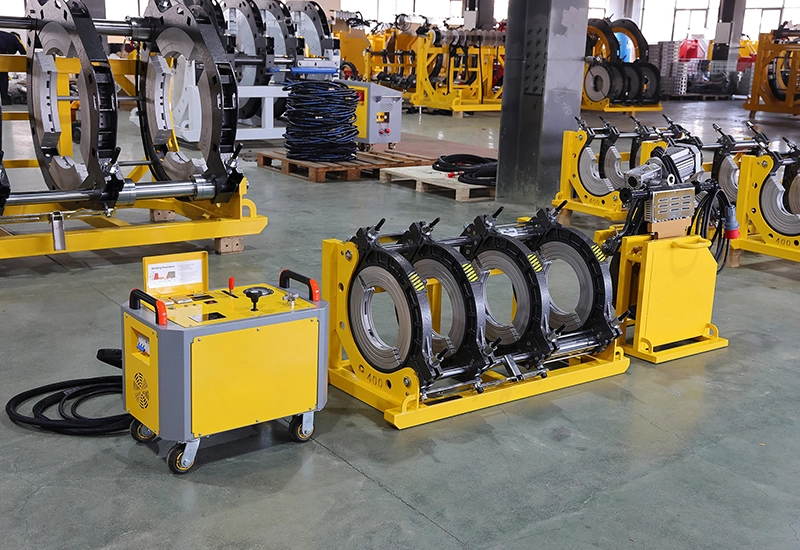
The hydraulic system is one of the core parts of an HDPE butt fusion welding machine. It controls several key steps before and during the pipe fusion process.
During operation, the hydraulic system provides the force needed to clamp and move the pipe ends. It also supports the trimming process, where the pipe ends are cut accurately to ensure a flat and clean welding surface. After trimming, the hydraulic system helps position the pipe ends against the heating plate so that both surfaces can be heated evenly.
Once the heating process is completed, the hydraulic system controls the movement of the pipe ends and applies the required fusion pressure. This allows the softened HDPE pipe ends to join together and form a strong, reliable weld.
The stability and accuracy of the hydraulic system directly affect welding quality, joint strength, and overall working efficiency.
Key Precautions for the Hydraulic System
Before using the butt fusion machine, operators should check whether the power supply, hydraulic system, heating plate, trimmer, and control components are working properly. This helps ensure that the equipment is in good condition before welding begins.
The welding parameters should also be set correctly according to the HDPE pipe material, pipe diameter, wall thickness, SDR rating, and project requirements. Temperature, pressure, and heating time must match the pipe specifications to avoid weak joints, overheating, or incomplete fusion.
Keeping the equipment clean is also important. Dust, oil, water, plastic residue, and other impurities may affect the performance of the heating plate, hydraulic components, and moving parts.
During operation, operators should follow the machine manual and avoid changing parameters randomly. Non-professional adjustments may lead to unstable welding results or equipment damage.
Daily Maintenance of the Hydraulic System
Daily maintenance helps keep the HDPE pipe welding machine stable and extends its service life.
working pressure. These values should remain within the recommended range. If the hydraulic oil is dirty, insufficient, or has abnormal viscosity, it may affect the movement of the machine and the accuracy of welding pressure.
Hydraulic oil should be replaced regularly. When replacing the oil, the oil tank and hydraulic pipelines should be cleaned to prevent impurities from remaining inside the system.
Hydraulic components such as pumps, valves, cylinders, and fittings should also be inspected and maintained. Loose connections, oil leakage, abnormal noise, or unstable pressure should be handled as early as possible.
It is also recommended to keep a maintenance record for each HDPE pipe welding machine. The record may include inspection dates, maintenance items, replaced parts, and fault descriptions. This makes it easier to track equipment performance and identify repeated problems.
Heating Plate Circuit of an HDPE Pipe Welding Machine
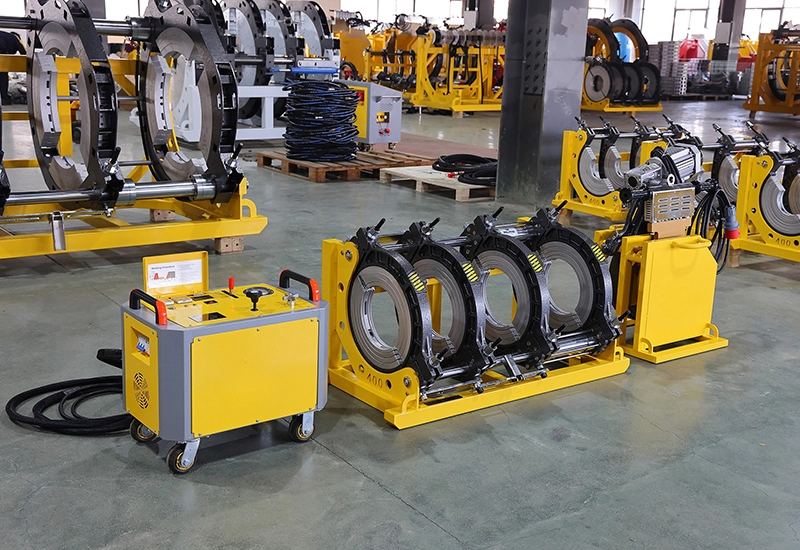
The heating plate is another critical part of an HDPE pipe welding machine. It provides the heat required to soften the pipe ends before fusion.
A typical heating plate circuit may include solid-state relays, temperature sensors, heating elements, and a temperature controller. These components work together to control the heating process and maintain stable temperature output.
The temperature sensor monitors the heating plate temperature in real time and sends feedback to the control system. The controller then adjusts the relay status based on the temperature signal, helping the heating plate maintain the required working temperature.
Accurate temperature control is very important. If the heating plate temperature is too low, the HDPE pipe ends may not melt properly. If the temperature is too high, the pipe material may degrade or form poor-quality joints.
Common Heating Plate Faults and Inspection Methods
If the heating plate does not work properly, the first step is to check whether the solid-state relay is damaged. A multimeter can be used to measure the input and output voltage and current. If the relay is faulty, it should be replaced or repaired by qualified personnel.
The temperature sensor should also be checked. Operators can compare the actual heating plate temperature with the displayed temperature. If the difference is too large, the sensor may need calibration or replacement.
In addition, the heating element and control circuit should be inspected. A damaged heating element, loose wire, abnormal controller, or circuit fault may prevent the heating plate from reaching the required temperature.
Before any electrical inspection or repair, the power supply must be disconnected. If the problem cannot be solved on site, it is safer to contact professional service personnel or the equipment manufacturer.
Why the Trimmer Disc of an HDPE Butt Fusion Welding Machine May Reverse
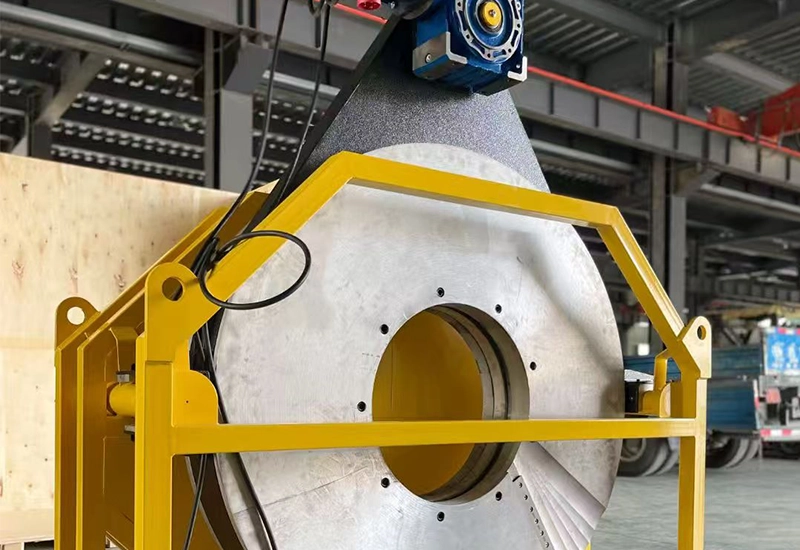
The facing tool is used to cut and clean the pipe ends before heating. If the trimmer disc rotates in the wrong direction, it may affect cutting quality and even damage the equipment. Several factors may cause trimmer disc reversal.
Control System Failure
The control system manages the operation of different machine components, including the rotating direction of the trimmer disc. If the circuit board is damaged or the control program is abnormal, the trimmer may rotate in the wrong direction.
Motor or Wiring Problems
The trimmer disc is usually driven by an electric motor. If the motor winding is damaged, the wiring is incorrect, or the motor driver fails, reverse rotation may occur.
Incorrect Power Connection
If the power polarity or phase sequence is connected incorrectly, the motor may run in reverse. This is especially important for machines using three-phase power. Operators should check the power cable connection before starting the equipment.
Sensor or Limit Switch Failure
Some HDPE pipe welding machines are equipped with sensors or limit switches to detect trimmer position or operating status. If these components fail, they may send incorrect signals to the control system and cause abnormal operation.
Incorrect Operation
Misoperation can also cause abnormal trimmer movement. Operators should avoid pressing the wrong button or changing the machine status without following the correct operating sequence.
How to Fix Trimmer Disc Reverse Rotation
To solve trimmer disc reverse rotation, operators can start with basic checks.
- First, check whether the power cable is connected correctly. For three-phase equipment, confirm whether the phase sequence is correct. If the phase sequence is wrong, the motor rotation direction may need to be adjusted.
- Next, inspect the sensor, limit switch, and motor for visible damage or abnormal operation. If any component is damaged, it should be replaced or repaired.
- The control system and circuit board should also be checked. If the fault is related to the controller, professional maintenance personnel should handle the repair.
If these steps do not solve the problem, it is recommended to contact the HDPE pipe welding machine manufacturer or a qualified service technician for further inspection.
Common Faults of HDPE Pipe Welding Machines
HDPE pipe welding machines may experience different faults during long-term use. Understanding common problems helps operators respond faster and reduce downtime.
Heating System Failure
Heating system failure is one of the most common problems. It may be caused by a damaged heating element, loose heating wire, faulty temperature sensor, or abnormal control circuit.
When this happens, the heating plate may fail to reach the required temperature or may not heat at all.
Hydraulic Station Failure
The hydraulic station controls machine movement and welding pressure. If the hydraulic station fails, the machine may not move smoothly, pressure may become unstable, or the motor may run without effective hydraulic action.
In many cases, this may be related to hydraulic oil quality, oil level, air in the hydraulic system, or damaged hydraulic components.
Forward Movement Without Return
If the machine can move forward but cannot return, the problem may be caused by a servo control failure, damaged transmission component, valve issue, or motor fault.
Operators should inspect the control system, hydraulic circuit, and mechanical transmission parts to identify the exact cause.
Display Screen Faults
If the display screen does not turn on, shows garbled characters, or works abnormally after power-on, the screen or related wiring may be damaged.
Possible causes include moisture, overheating, impact, aging, or loose connections. In this case, the display module and wiring should be inspected carefully.
Abnormal Welding Display or Output
If the machine displays abnormal welding information, the PE or HDPE pipe fitting may be overheating, or there may be a short circuit in the heating component.
Operators should stop welding immediately, allow the equipment to cool, and then inspect the pipe fitting, heating element, and output circuit.
Current Cannot Increase Normally
If the current cannot rise during operation, the external power supply may be insufficient, the power cable may be too long, or the current parameter may be set too low.
Operators should check the power supply voltage, cable length, machine settings, and connection condition before restarting the welding process.
Practical Maintenance Tips for Longer Machine Service Life
To keep an HDPE pipe welding machine in reliable working condition, regular inspection and maintenance are necessary.
- The heating plate should be cleaned after use. Plastic residue should not remain on the heating surface, as it may affect future welding quality. The anti-stick coating should also be protected from scratches.
- The trimmer blade should be kept sharp and clean. A worn or damaged blade may cause uneven pipe ends and poor fusion quality.
- Hydraulic hoses and connectors should be checked regularly for leakage, cracks, or loose fittings. Electrical cables should also be inspected to avoid short circuits or unstable power supply.
The butt fusion machine should be stored in a dry and clean environment. Long-term exposure to rain, moisture, dust, or strong impact may damage electrical and hydraulic components.
For project contractors and pipe installation teams, preventive maintenance is always more cost-effective than emergency repair.
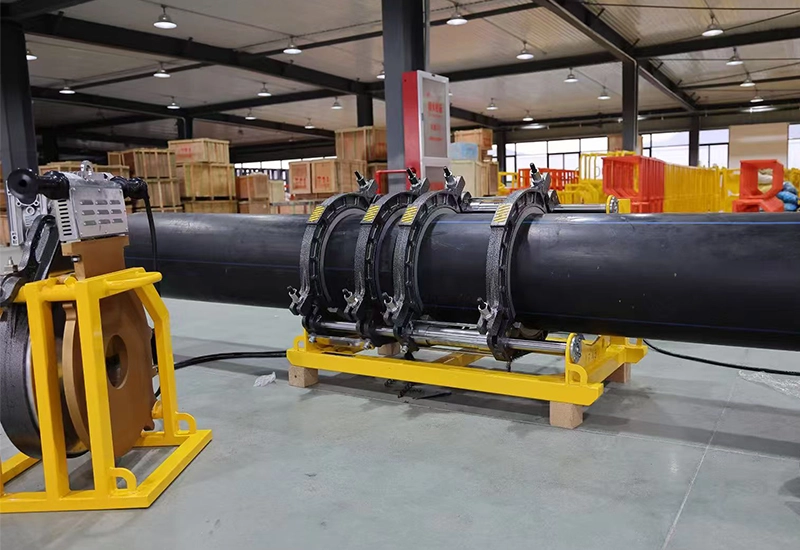
Why Choose Ekberg HDPE Pipe Welding Machine
Ekberg HDPE pipe welding machines are designed for reliable PE and HDPE pipe fusion applications. They are suitable for water supply, drainage, mining, industrial pipeline, municipal engineering, and infrastructure projects.
With stable hydraulic performance, precise heating control, strong machine structure, and practical operation design, Ekberg helps users achieve consistent welding quality in demanding jobsite conditions.
For contractors, distributors, and project buyers, choosing a reliable HDPE pipe welding machine is not only about equipment price. It is also about welding stability, maintenance convenience, after-sales support, and long-term project efficiency.
Final Thoughts
Understanding the working principle, precautions, troubleshooting methods, and daily maintenance of an HDPE pipe welding machine can help operators avoid incorrect operation and reduce equipment failure.
The hydraulic system, heating plate circuit, trimmer, control system, and electrical components all play important roles in the butt fusion welding process. Regular inspection, correct parameter settings, safe operation, and timely maintenance are essential for stable welding performance.
For HDPE pipe installation projects, a well-maintained Ekberg HDPE pipe welding machine can improve welding quality, reduce downtime, and support more efficient pipeline construction.