
Butt Fusion Machine in Kenya: Buying Guide for Water and Irrigation Projects
Table of Contents
Butt Fusion Machine in Kenya explains how to choose the right HDPE fusion equipment for water and irrigation projects, compare key specs and prices, and avoid costly buying mistakes when sourcing from local suppliers.
What Is a Butt Fusion Machine and How Does It Work?
How does heat fusion create a permanent HDPE joint?
Fusing thermoplastic pipes requires a strict balance of heat and pressure to bond the material at a molecular level. First, you place a heating plate between two squared, faced pipe ends. As the butt fusion machine presses the pipe against this plate at a highly controlled temperature, the plastic softens into a molten state. Once the preset heating time finishes, the operator quickly pulls the plate out. Immediately, specific hydraulic or manual force pushes the two molten ends together. As the plastic cools down, polymer chains tangle and lock. The result? A solid, monolithic joint that often outlasts the parent pipe itself.
What components does a butt fusion machine include?
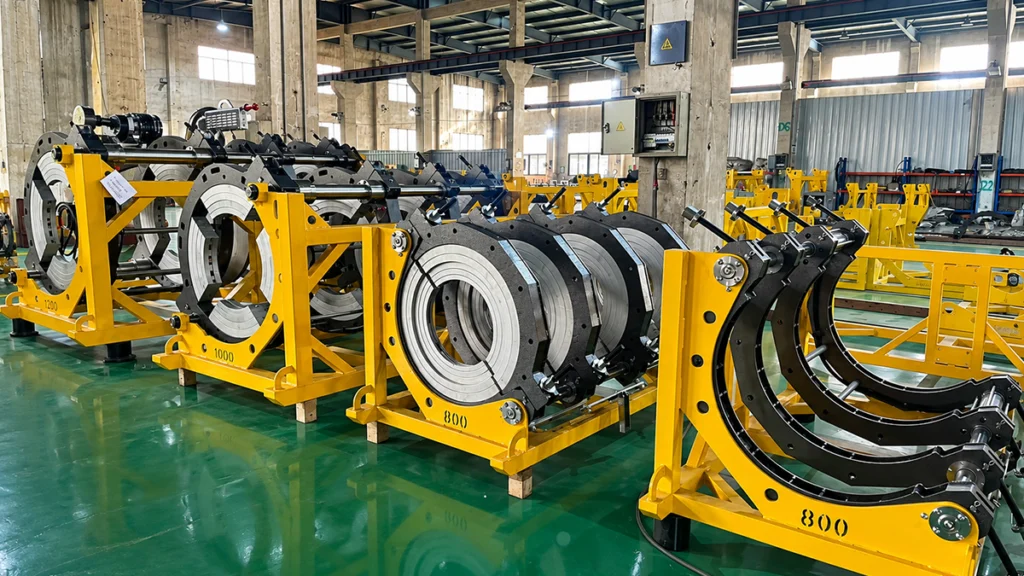
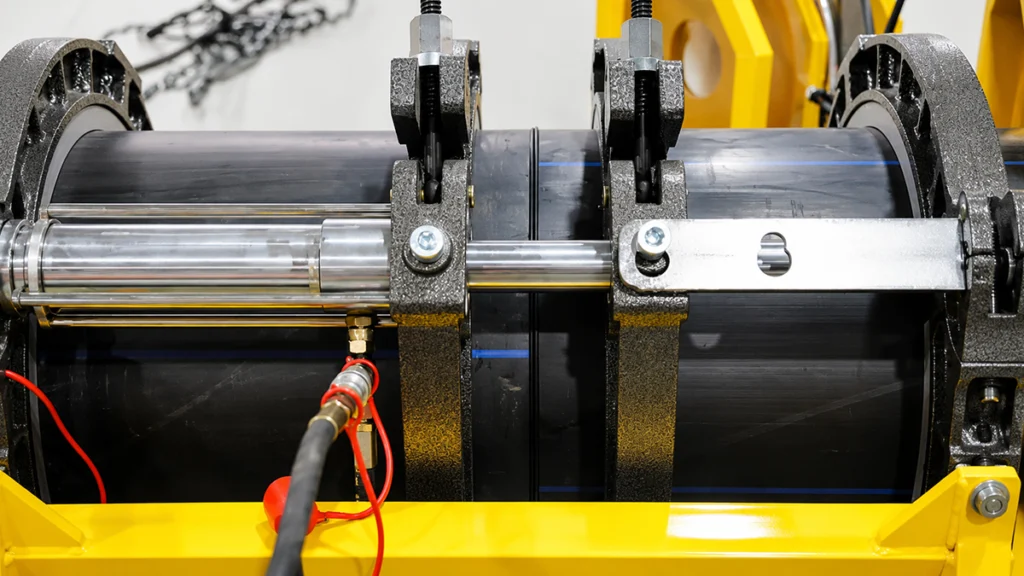
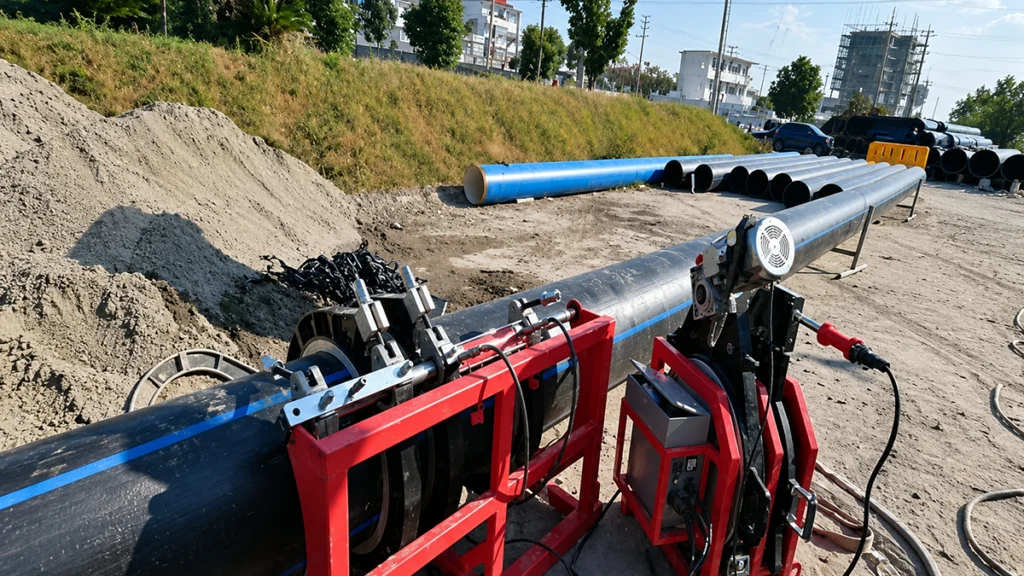
Professional welding equipment packs several engineered subsystems designed to lock in alignment and regulate temperature. The main mechanical frame features upper and lower platens to grip the pipes tightly. On the thermal side, you’ll find a PTFE-coated heating platen alongside specific heating and cooling molds. Electrical control systems handle the heavy lifting here, using a three-phase solid-state relay, pinpoint temperature sensors, and a digital controller. If you step up to a hydraulic model, an independent power unit drives the clamping, milling, and joining pressures.
Which pipe materials are compatible?
You’ll mostly use this equipment for thermoplastics that offer stable melt-flow traits. Polyethylene (PE), High-Density Polyethylene (HDPE), and Polypropylene (PP) are the standard choices. While typical hydraulic units handle the DN160 to DN315 range, the core thermodynamics work across all sizes. However, if you are dealing with pipes under 63mm, skip butt fusion. The thin walls make alignment under pressure incredibly difficult, making socket fusion or capacitive bonding a much smarter play.
Why Butt Fusion Matters for Water and Irrigation Projects in Kenya
Why are leak-free joints important in long pipeline runs?
Municipal and agricultural water networks frequently cross kilometers of rugged terrain. Even minor leaks create pressure drops that can cripple an entire distribution setup. Butt fusion builds a molecular bond that completely strips out the need for gaskets, mechanical bolts, or O-rings—all of which degrade over time. Hitting a zero-leakage benchmark allows operators to slash the long-term costs tied to water loss, sudden emergency fixes, and early pipe replacements across massive networks.
How do Kenyan site conditions affect joint quality?
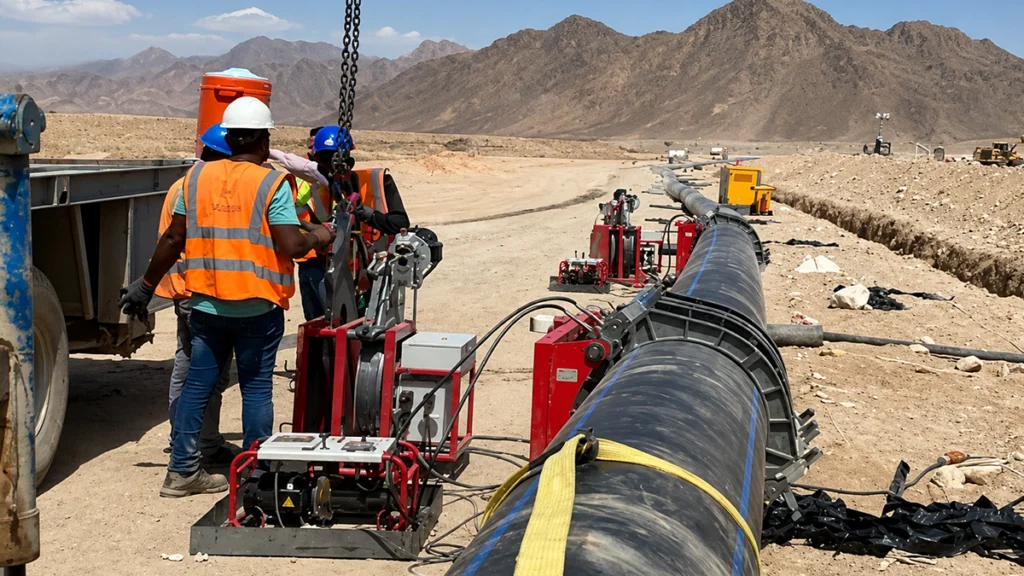
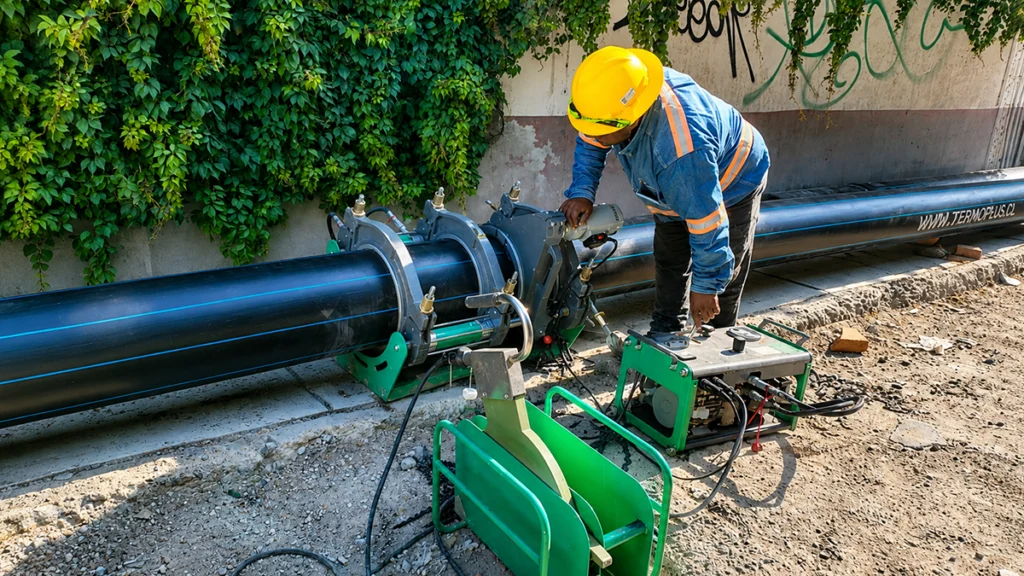
Local installations routinely face extreme ambient heat, off-grid job sites, and cramped trench operations. That is why a reliable butt fusion setup in Kenya features a split design. Technicians can drop the carriage right into a narrow trench while keeping the sensitive control console and hydraulic power unit up on ground level. This layout keeps trench dust away from critical components and guarantees operators maintain tight pressure control, no matter how awkward the excavation gets.
When is butt fusion better than mechanical joining?
Mechanical joints simply demand more lifecycle maintenance. Ground settlement and material fatigue eventually force you into frequent part swaps. Butt fusion wins out by leaving a totally smooth internal surface. This cuts down friction and stops silt or biological buildup from choking your water flow. Plus, a properly welded HDPE joint easily absorbs severe pipe vibrations, water hammer shockwaves, and the brutal day-to-night temperature swings typical in arid climates.
Factory-direct pricing with technical consultation included
Get Your Free QuoteTypes and Specifications to Compare Before You Buy
What is the difference between manual, hydraulic, and automatic butt fusion machines?
Manual units rely mainly on operator strength to generate fusion pressure during the heating and joining process. They have lower initial costs and simpler maintenance requirements, making them suitable for small-diameter pipes and light-duty projects.
Hydraulic butt fusion machines use a hydraulic power unit to control clamping force, fusion pressure, and pipe alignment more accurately. They are generally required for medium and large-diameter pipelines where higher and more consistent pressure is needed to achieve reliable joints.
Automatic welding machines further improve process control by automatically recording and adjusting key parameters such as pressure, temperature, and cooling time. They are ideal for large infrastructure projects that require higher welding consistency, traceability, and reduced operator error.
Which pipe diameter range should you choose?
Your equipment size defines your operational limits. The standard hydraulic units generally span from DN160 to DN315, covering the bulk of main water supply lines. But buying a pipe fusion machine means matching its carriage clamps to your project’s precise outer diameter (OD). Smart contractors use reducing inserts. These allow a larger HDPE pipe jointing machine to grip and weld smaller pipes, giving your crew the flexibility to tackle multiple job sites with a single piece of equipment.
What specs matter most: heater plate, pressure range, power supply, and control system?
Sourcing engineers need to scrutinize specific technical metrics to guarantee the equipment survives the field:
| Specification Category | Critical Parameters to Verify |
|---|---|
| Heater Plate | Look for aluminum alloy construction (ZL104 standard) for fast heat transfer and rust resistance. It must sustain a maximum temperature of 270°C. |
| Control System | Demand an integrated console. It should display real-time temperature data and hydraulic pressure metrics on one easy-to-read interface. |
| Power Supply | Check voltage limits (usually 220V or 380V 3-phase). The total power draw (kW) has to match the diesel generators you actually have on site. |
| Pressure Range | Hydraulic cylinders must punch out stable MPa/bar levels to overpower pipe drag and hold steady cooling pressure without dropping. |
How to Choose the Right Machine for Your Project
What project inputs should guide your decision?
Picking the right hardware demands a hard look at your project variables. Decision-makers need to map out the exact pipe diameters, the wall thickness or standard dimension ratio (SDR), total joint count, and where the welding happens (down in a trench versus surface-level). Your construction timeline, budget ceiling, and the actual skill level of your crew will also dictate whether you buy a manual rig, a semi-automated setup, or a fully CNC-driven powerhouse.
How do pipe size, wall thickness, and pressure rating affect the choice?
The physical footprint of your HDPE pipe dictates the wattage of your heater plate and the force your hydraulic cylinders must deliver. High-pressure pipes feature lower SDR numbers, meaning thicker walls. These require extended heat soak times and massive joining pressures to forge a true molecular bond. A smart procurement strategy? Buy a butt fusion welding machine capable of handling diameters slightly larger than your current project specs. This builds a safety net for sudden design shifts or future network expansions.
Should you prioritize portability or automation?
This choice comes down to your job site environment. Highly portable, compact manual butt fusion machines shine in remote, off-grid, or indoor setups where lugging around heavy hydraulic power packs is a logistical nightmare. On the flip side, large commercial or municipal pipeline jobs demand heavy-duty, fully automatic butt fusion welding machines. Automation locks in strict cooling times and pressure standards. It handles massive production quotas while drastically cutting down operator fatigue.
Get detailed specs and custom configuration options
Request Technical SpecificationsCommon Water Supply and Irrigation Applications in Kenya
Which project types use butt fusion most often?
You will spot this welding technology across a massive range of infrastructure sectors. It remains the go-to joining method for high-pressure gas mains, municipal drainage, industrial effluent lines, and sprawling agricultural irrigation grids. Because the fused joint is virtually indestructible, it is perfect for buried networks where digging up a pipe for post-installation maintenance would destroy the project budget.
Can one machine support both urban water and farm irrigation work?
Absolutely. A properly spec’d HDPE pipe jointing machine in Kenya delivers serious versatility. Assuming the pipe diameters fit within the clamping jaws, your crew can pivot from a high-pressure city water main straight to a low-pressure farm irrigation layout. The equipment easily connects pipes of differing material grades (like PE80 to PE100) or fuses pipes to injection-molded fittings—as long as you validate the welding parameters first through baseline destructive testing.
What site conditions should be planned for in the field?
Fieldwork demands aggressive logistical planning. You have to anticipate unstable power grids by bringing diesel generators sized to handle the sudden peak electrical loads of the hydraulic pump and heater plate. Wind and trench dust will ruin melted pipe ends, making welding tents practically mandatory. Also, extreme ambient heat skews your required cooling times. Operators need to adapt their parameters based on real-world environmental data, rather than blindly trusting baseline factory charts.
Butt Fusion Machine Price in Kenya: Cost Factors and Budget Planning
What drives machine price in the Kenyan market?
Two main factors dictate your capital expenditure: the maximum diameter capacity and the level of automation. Fully automatic CNC butt fusion machines pack heavy-duty hydraulic frames, precision sensors, and advanced data logging. Naturally, they are bulky and carry a premium price tag. However, their per-connection cost drops dramatically over time. Manual and semi-hydraulic models lower the barrier to entry, but they shift your costs over to higher labor hours and slower daily production.
What extra costs should be included beyond the machine itself?
Do not stop your budget at the base price of the heater plate and chassis. A realistic financial plan must include specialized PPE, heavy-duty transport cases, and the specific reducing inserts needed for different pipe sizes. You also have to price out transport to remote sites, initial certification training for your operators, annual calibration for the controllers, and a local stash of critical spares like hydraulic seals and PTFE heating elements.
How do you compare purchase cost versus total ownership cost?
Judging equipment strictly by its upfront sticker price is a massive procurement blind spot. Precision fusion welding pays off over the long haul. A premium hydraulic butt fusion machine in Kenya might require more cash today, but it actively prevents emergency excavations, joint blowouts, and full pipeline replacements tomorrow. When you calculate the Total Cost of Ownership (TCO), the 50-year lifespan of a flawlessly fused HDPE network easily justifies the initial capital outlay.
Quality Checks, Safety, and Common Buying Mistakes
What quality signals should you inspect before purchase?
Today’s pipeline contractors expect hard proof of quality. Roughly 60% of professional crews now require data logging capabilities or built-in detection systems to guarantee joint integrity. Before signing a purchase order, confirm the plastic pipe welding machine has non-negotiable safety features: overpressure relief valves in the hydraulics, overheat protection for the platen, and a strict limit switch on the electric milling cutter to stop it from spinning outside the carriage.
What are the most common operator and procurement mistakes?
On the buying side, the most frequent mistake is under-sizing the site generator. This triggers voltage drops that inevitably cause weak, cold welds. Out in the field, common procedural errors include operators putting their hands in the active crush zone during carriage movement, working too close to volatile solvents, ignoring mandatory safety goggles and heat-resistant gloves, or tweaking heating parameters without checking the pipe manufacturer’s SDR charts.
How do you reduce weld failure risk?
Keeping risk low means following engineering standards to the letter. Fusion processes and prep work must align with international and regional specs like CJJ 63 and TSG D2002-2006. Operators have to clean pipe ends obsessively with approved solvents. They must ensure the facer cuts continuous plastic ribbons, and they must hold the pipe under pressure for the entire cooling duration—never popping the clamps open early to save time.
How to Evaluate a Supplier in Kenya
What should a serious supplier provide before sale?
A top-tier supplier of a butt fusion machine in Kenya needs to show technical mastery, not just a knack for logistics. Check if they run independent R&D or hold a direct, verified pipeline to the original equipment manufacturer (OEM). They need to hand over clear documentation proving electrical safety compliance, detailed generator sizing charts, and comprehensive technical datasheets before you buy.
Why do spares, service, and calibration support matter?
Pipeline work destroys equipment. A supplier proves their real worth after the invoice is paid by guaranteeing robust maintenance support. Digital temperature controllers and hydraulic pressure gauges need yearly calibration to keep your joints secure. Make sure your vendor stocks critical spare parts locally—think replacement heater plates, quick-disconnect fittings, and hydraulic hoses—and provides software updates for CNC units.
What questions should you ask before placing an order?
Protect your project schedule by asking these vital questions before issuing a PO:
- What is the exact timeframe and coverage scope of the warranty?
- Do you hold hydraulic seals and replacement PTFE heater plates in local inventory?
- What is your guaranteed response time for field repairs or technical support?
- Can you run on-site operational training and certify our technicians?
Operation, Training, and Maintenance Best Practices
What does a basic operating workflow look like?
Forging a perfect molecular bond demands a rigid, repeatable process:
1. Placement and Pipe Clamping: Lock the pipes into the carriage, double-checking for perfect concentric alignment.
2. Milling: Run the electric facer to shave the pipe ends. You want continuous ribbons to ensure the faces are dead parallel.
3. Alignment Inspection: Push the ends together to confirm there is zero high-low misalignment.
4. Drag Pressure Measurement: Record exactly how much hydraulic pressure it takes to overcome the pipe’s kinetic friction.
5. Heating: Drop the heater plate in, apply the initial bead-up pressure, then back off to the heat-soak pressure for the required time.
6. Joining and Cooling: Pull the plate out, smash the ends together at the calculated fusion pressure, and hold it there until completely cool.
How often should heaters, clamps, and hydraulics be checked?
You cannot ignore preventative maintenance on high-pressure gear. Daily, crews must wipe down guide rods and clear plastic shavings from the milling platform. Weekly, a technician should test the heating element resistance with a multimeter to catch failing coils early. You also need to drain accumulated water from the hydraulic oil-gas separator and consistently grease the carriage guide pillars with premium butt fusion machine oil to stop them from binding.
What training helps operators produce consistent joints?
Human error and weather shifts easily wreck the thermodynamic fusion process, making hands-on, specialized training critical. A solid certification program covers polymer behavior, destructive testing analysis, weather mitigation (like dealing with rain and wind), and reading SDR charts. When operators understand *why* the parameters exist, they stop taking dangerous shortcuts—like cutting cooling times short just to hit a daily quota.
Final Recommendation: Matching the Machine to the Buyer
What should contractors prioritize versus farms or utilities?
Massive construction firms laying down kilometers of municipal water lines should always default to fully automatic CNC butt fusion machines. These rigs maximize daily output, ensure unshakeable weld consistency, and generate downloadable joint reports for strict utility inspectors. On the other hand, small utility crews, independent farms, or agricultural co-ops usually do better with semi-hydraulic or standard manual butt fusion machines. For them, mechanical simplicity and a lower price tag easily beat the need for automated, high-speed production.
When is it worth paying more for hydraulic control?
Stepping up to hydraulic control is mandatory the second you deal with medium to large pipelines (typically DN160 and up). At these diameters, no human has the physical strength to overcome pipe drag and hold the exact, sustained pressure required during the heating and cooling cycles. Paying extra for hydraulic power stops cold joints, forces uniform bead rollover, and aggressively cuts the risk of a catastrophic blowout once the line goes live.
Which buying profile fits your project stage?
If you are building a permanent pipeline installation fleet, prioritize vendors who deliver heavy-duty calibration services and after-sales support. Interestingly, roughly half of all advanced construction outfits now look for butt fusion machines in Kenya equipped with remote fault diagnosis and monitoring. If your operations operate at this tier, dropping capital on smart-enabled hydraulic units will drastically cut your diagnostic downtime and streamline fleet maintenance.
Frequently Asked Questions
Q1: What size butt fusion machine do I need for water or irrigation pipes in Kenya?
The required butt fusion machine size depends on the pipe outer diameter (OD), SDR rating, and project requirements. For many municipal water supply and agricultural irrigation projects, butt fusion welding machines covering DN160 to DN315 are commonly used. Contractors should select a machine with suitable capacity for current projects while allowing flexibility for future pipe sizes.
Q2: Is a hydraulic butt fusion machine better than a manual one?
For larger HDPE pipes, hydraulic butt fusion machines are usually the better choice. Manual butt fusion machines are suitable for smaller diameter pipes and simple projects, while hydraulic systems provide more stable clamping force and fusion pressure, helping achieve consistent joints for demanding pipeline applications.
Q3: How much does a butt fusion machine cost in Kenya?
The cost depends on plastic pipe welding machine type, welding diameter range, automation level, and additional features. Manual machines have lower initial costs, while hydraulic and CNC models require higher investment. Buyers should also consider shipping, spare parts, maintenance, and long-term operating costs.
Q4: Can one machine handle different HDPE pipe diameters?
Yes. Many butt fusion machines can weld multiple pipe sizes by using different reducing inserts and clamps. For example, a DN315 machine can handle several smaller diameters when equipped with the correct inserts, allowing contractors to complete different projects with one pipe fusion machine.
Q5: What should I check before buying a used butt fusion machine?
Before purchasing a used HDPE pipe welding machine, check the heating plate condition, hydraulic system performance, pressure stability, facing tool operation, and temperature control accuracy. It is also important to review maintenance records and verify that key components are still reliable.
Q6: Do I need special training to operate a butt fusion machine?
Yes. Proper training helps operators understand pipe preparation, alignment, heating temperature, fusion pressure, cooling time, and joint inspection. Correct operation reduces welding defects and improves pipeline reliability.
Q7: How do I choose a reliable butt fusion machine supplier in Kenya?
Choose a supplier that can provide suitable pipe fusion machine selection, technical support, spare parts supply, operation guidance, and after-sales service. A reliable manufacturer should also provide product documentation, quality certificates, and support based on your project requirements.
Q8: Can HDPE pipe welding machines work with Kenya’s power supply?
Yes. Before purchasing, buyers should confirm the HDPE pipe jointing machine voltage, frequency, and power requirements. Many HDPE welding machines can be configured for different power standards, including 220V or 380V systems. Always provide your local power supply information when requesting a quotation.
Conclusion
Selecting the right butt fusion machine in Kenya is an important decision that directly affects pipeline quality, productivity, and long-term operating costs. Choosing between manual, semi-hydraulic, and fully automatic systems depends on project requirements, including pipe diameter, wall thickness, welding frequency, and job site conditions.
While initial cost is important, contractors should also consider the Total Cost of Ownership, including maintenance, spare parts, and operational efficiency. Reliable HDPE pipe welding equipment should provide accurate hydraulic control, stable heating performance, and consistent fusion results for different pipeline applications.
Working with an experienced manufacturer that provides technical guidance, operator training, and dependable after-sales support helps ensure smoother project execution. By matching the butt fusion welding machine capacity with actual pipeline requirements, contractors can build durable and reliable water and irrigation networks.
Let our experts help you choose the right equipment for your project
Contact Our Engineering Team