
Best Butt Fusion Machine for HDPE Pipe Welding Projects in Africa
Table of Contents
Butt Fusion Machine for HDPE Pipe buyers in Africa can use this guide to compare machine types, key specifications, project fit, supplier factors, and welding risks so they can choose the right setup for reliable pipeline installation.
What Is a Butt Fusion Machine for HDPE Pipe?
Think of a Butt Fusion Machine for HDPE Pipe as the ultimate problem-solver for industrial thermoplastic pipelines. This specialized equipment permanently joins pipes by heating their precisely milled ends until they reach a viscous flow state. After that, it forges them together using heavily controlled hydraulic pressure. The result? A continuous, perfectly homogenous pipeline. You won’t need extra mechanical fittings, messy adhesives, or transition couplings. For large-scale infrastructure projects, the quality of this equipment directly dictates pipeline integrity, flow efficiency, and your defense against long-term leaks.
How does butt fusion welding join HDPE pipe?
At its core, the butt fusion process uses thermodynamics combined with sheer hydraulic force to forge an unbreakable molecular bond. First, the butt fusion machine clamps the pipe ends tight, guaranteeing flawless axial alignment. Next, the operator slides a PTFE-coated aluminum heating plate right between the two pipe faces. Once those surfaces hit roughly 220°C and form the correct melt bead size, out comes the plate. Instantly, the machine’s hydraulic cylinders drive the pipes together. By applying highly targeted interfacial pressure—usually about 0.15 N/mm² per DVS 2207 standards—the melted polymer chains are forced to interlock. Finally, the machine holds the joint under steady drag pressure as it cools and solidifies.
What materials and pipe sizes can it handle?
Today’s fusion equipment brings serious versatility to the job site. These butt fusion machine are engineered to weld an impressive range of thermoplastics, including Polyethylene (PE), High-Density Polyethylene (HDPE), Polypropylene (PP), and Polyvinylidene Fluoride (PVDF). Capacity scales wildly depending on what your project demands. Need to tackle small commercial or residential lines? Portable units easily handle 63mm diameters. Stepping up to massive infrastructure jobs? Heavy-duty models can accommodate giant municipal and industrial pipelines stretching up to 3000mm in diameter. They adapt seamlessly to diverse standard dimension ratios (SDR) and varying wall thicknesses.
Why is butt fusion preferred over other joining methods?
When done right, a butt-fused joint actually boasts more structural strength than the original pipe. Mechanical couplings degrade, rust, or shift around over time. A fused joint doesn’t. It becomes a fully homogenous section of the pipeline, maintaining the exact same pressure rating and flexibility as the rest of the continuous pipe. The secret lies in the prep work. Operators must pre-mill the pipe ends using high-speed carbon steel blades to shave off oxidized plastic and create a flawlessly flat interface. This strict preparation ensures deep molecular fusion, effectively wiping out the risk of weak spots or future chemical degradation.
What happens when weld quality is poor?
Ignore strict temperature, pressure, and timing parameters, and you’re looking at catastrophic joint failure. If the heating temperatures are too low or the heat absorption time is cut short, you get incomplete molecular fusion alongside dangerous granular defects in the weld zone. On the flip side, blasting the pipe with excessive heat destroys the polymer structure. Either way, these defects severely cripple the pipeline’s pressure-bearing capacity. The inevitable results are stress fractures, environmental stress cracking, and massive leaks the moment you pressurize the system.
Why HDPE Pipe Welding Quality Matters in African Projects
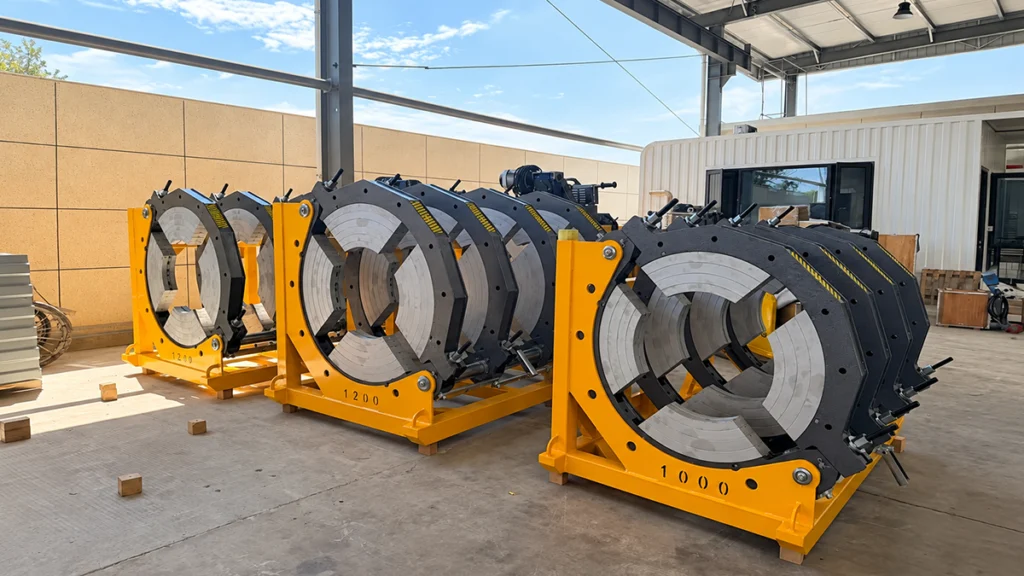
Building pipeline infrastructure in Africa introduces intense environmental and logistical hurdles that make equipment failure a nightmare. Blistering ambient temperatures, relentless dust, and incredibly remote site locations mean every single welded joint has to be flawless. Otherwise, you’re facing crippling repair costs. Deploying a rugged, reliable Butt Fusion Machine for HDPE Pipe gives contractors the edge they need to hit strict international standards, even when working in the most unforgiving field conditions imaginable.
Which project types are most sensitive to welding failure?
High-pressure and critical-flow networks demand absolute zero-leak performance. Take mining slurry lines, for example. They transport heavy, highly abrasive materials constantly. A single joint failure there can instantly halt extraction operations and trigger massive environmental contamination. Municipal gas transmission networks and bulk potable water lines face similar stakes, operating under intense, continuous pressure. In these high-risk sectors, a failed weld doesn’t just mean a quick fix—it incurs staggering remediation costs, steep regulatory penalties, and brutal operational downtime.
How does climate and field condition affect joint reliability?
African field conditions actively wage war against optimal fusion parameters. High winds and brutal temperature swings cause rapid heat loss at the pipe joint during that vital window between heating and pressing. Ideally, ambient temperatures should sit around 20°C. But extreme heat or sudden cold snaps will wildly alter the polymer’s cooling curve. If you’re welding in heavy winds, operators have to seal both pipe ends just to block internal drafts. Often, they must erect temporary shelters right over the HDPE pipe welding machine to trap a stable microclimate for the weld.
Manual, semi-hydraulic, and fully hydraulic models
The equipment you select completely dictates your operational limits. Manual butt fusion machines rely solely on human muscle via leverage handles, which restricts them to small-diameter pipes where low pressure gets the job done. Semi-hydraulic and fully hydraulic machines take a different approach. They use a dedicated hydraulic station—usually operating in the robust 0-16 MPa range—to deliver the massive, consistent force needed to mill, heat, and cool large-diameter, thick-walled pipes. Hydraulic systems eliminate human physical limitations entirely, guaranteeing uniform pressure across the entire face of the pipe.
Factory-direct pricing with technical consultation included
Get Your Free QuoteMain Types of Butt Fusion Machines for HDPE Pipe
Nailing down the right equipment category is your very first step in a successful procurement strategy. Buyers have to carefully match the butt fusion machine’s level of automation and mechanical output to the realities of their workforce and specific pipeline specs.
When is a CNC or data-recording machine worth the upgrade?
For high-stakes projects, Computer Numerical Control (CNC) automatic butt fusion machines aren’t just a luxury—they are rapidly becoming mandatory. These advanced units automatically manage the heating time, interfacial pressure, and cooling duration, practically wiping out operator error. You need this upgrade the moment project owners require ISO 12176-4 compliant data logging. Right now, roughly 60% of municipal and bulk water construction teams demand built-in weld quality tracking. These smart systems log operator codes, ambient temperatures, and detailed pressure data for every single joint. This hands you a bulletproof, verifiable audit trail for the whole pipeline.
Which type fits small contractors versus large EPC projects?
| Machine Type | Best Suited For | Pipe Diameter Range | Automation Level | Capital Expenditure |
|---|---|---|---|---|
| Manual | Local plumbing, small irrigation, tight trenches | 63mm – 250mm | None (Human force) | Low |
| Semi-Hydraulic | Mid-sized contractors, agricultural water lines | 90mm – 315mm | Hydraulic pressure, manual valves | Medium |
| Fully Hydraulic | Mainline water/gas, mining, industrial plants | 160mm – 1200mm | Push-button hydraulic control | Medium-High |
| CNC Automatic | Large EPCs, regulated municipal/gas projects | 315mm – 3000mm | Fully automated with data logging | High |
What are the main parts of the machine?
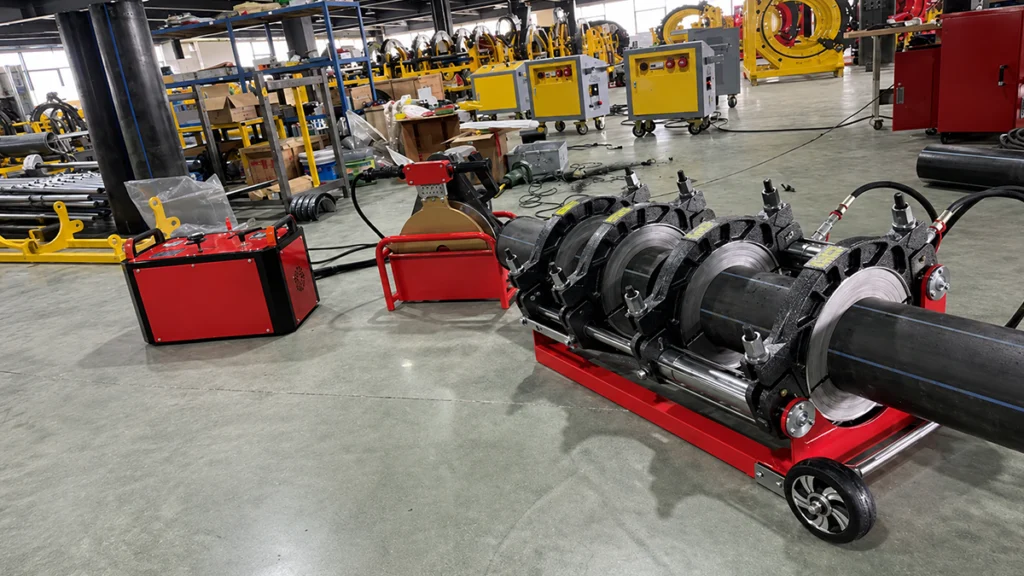
Any professional-grade butt fusion machine relies on four core components. First, the clamping and guiding frame locks the pipes in place and acts as a track for axial movement. Next, the hydraulic system kicks in to deliver exact pressure throughout the fusion process. Then there’s the milling cutter—usually chain-driven and armed with high-speed carbon steel blades—which planes the pipe ends until they are perfectly flat. Finally, the PTFE-coated aluminum heating plate, packed with highly sensitive temperature sensors, melts the pipe faces to the precise depth required.
How Butt Fusion Welding Works: Key Components and Process
Grasping the mechanics of the fusion cycle is an absolute must for procurement managers assessing equipment quality, as well as for site engineers running the installation. This process isn’t guesswork; it’s a remarkably precise thermodynamic sequence where every second counts.
What is the step-by-step fusion cycle?
The standard fusion cycle breaks down into five uncompromising phases:
1. Positioning: The pipes are clamped firmly into the chassis and aligned.
2. Milling: The cutter shaves the pipe ends until continuous plastic ribbons emerge, guaranteeing a perfectly flat, unoxidized surface.
3. Preheating: The heating plate goes in, raising the pipe surfaces to roughly 220°C until the specified bead size appears.
4. Fusion Butt Welding: Operators rapidly pull the plate out, and the hydraulic system immediately applies joining pressure (P1) to forge the molten ends together.
5. Cooling: The joint is held dead still under drag pressure (P2) until the polymer fully crystallizes.
Which variables control weld strength and consistency?
True weld integrity hinges on three strictly governed variables: heating plate temperature, heat absorption time, and interfacial pressure. Temperature targets shift depending on your standard. DVS 2207 calls for 200-220°C, while ASTM F2620 pushes for a hotter 204-232°C range. Meanwhile, the interfacial pressure has to remain rock-solid, usually sitting at 0.15 N/mm² for European standards or 60-90 psi stateside. Even the slightest deviation in these three factors will sabotage the molecular interlocking of the polymer chains.
What pipe size and SDR range do you need?
Picking the right butt fusion machine means perfectly matching the chassis clamps to your project’s specific pipe dimensions and Standard Dimension Ratio (SDR). Consider bulk water transmission lines. They often rely on massive 710-1000mm pipes with heavy walls ranging from SDR9 to SDR6 just to survive high internal pressure. Your HDPE pipe welding machine’s hydraulic cylinders must pack enough punch to overcome the intense drag resistance of these heavy, thick-walled pipes during the dynamic fusion phase.
Get detailed specs and custom configuration options
Request Technical SpecificationsHow to Choose the Right Machine for African Site Conditions
Buying equipment for African infrastructure jobs means looking way past the basic spec sheet. Procurement teams have to evaluate how the HDPE pipe welding machine will actually perform when faced with erratic power grids, choking dust, and brutal transport routes.
How should you evaluate voltage, generator compatibility, and power stability?
Large pipe fusion machines pull massive electrical loads, and those loads fluctuate wildly during the heating cycle. A 710-1000mm setup demands a rock-solid 380V three-phase power supply, pulling up to 23.5 KW in total (17.5 KW dedicated to the heating plate and 3.0 KW for the hydraulic station). Site engineers in Africa must pair this equipment with rugged, oversized diesel generators outfitted with automatic voltage regulators (AVR). Without an AVR, voltage drops will cause the heating plate to lose crucial temperature right in the middle of a weld.
Why do transport, dust, and heat resistance matter on site?
Machinery sent to remote African sites takes an absolute beating. To survive, butt fusion machines need electrostatic spraying on their steel frames to fight off rust and aggressive corrosion. The heating plates must be cast from premium, corrosion-resistant aluminum alloys, topped with high-grade PTFE coatings that won’t scratch when blasted by wind-blown sand. Furthermore, chassis components have to be heavily ruggedized. If they aren’t, hauling the machine over miles of unpaved, corrugated roads will knock the strict factory alignment completely out of spec.
What after-sales support should buyers confirm before ordering?
- Warranty Period: Insist on a minimum 24-month comprehensive warranty that fully covers the hydraulic block and all electrical components.
- Technical Documentation: Make sure the supplier hands over English-language operation manuals, clear hydraulic schematics, and valid ISO/CE certificates.
- Remote Troubleshooting: Check that the manufacturer provides video-call support so you can run rapid site diagnostics when things go wrong.
- Component Modularity: Opt for butt fusion welding machines built with plug-and-play electrical relays and standardized hydraulic valves. Local technicians need to be able to swap these parts out effortlessly.
Clamp range, pressure range, and heater plate size
When you’re staring down spec sheets, double-check the exact clamp reduction inserts included to ensure the unit actually covers your full diameter range. The hydraulic unit needs to deliver a pressure adjustment range of 0-16 MPa to tackle both thin-walled and heavy-duty pipes. Also, scrutinize the heater plate size and how its internal elements are distributed. It must guarantee perfectly uniform heat across the whole surface area, otherwise, you’ll end up with cold spots and dangerously asymmetrical melting.
Technical Specifications to Compare Before Buying
Securing a high ROI and true field reliability requires procurement teams to dig into the exact engineering tolerances of the equipment. The true mark of a high-quality Butt Fusion Machine for HDPE Pipe is its accuracy and unwavering stability under heavy load.
| Specification Category | Minimum Standard for Professional Use | High-End / EPC Project Standard |
|---|---|---|
| Hydraulic Pressure Range | 0 – 6 MPa (for small diameters) | 0 – 16 MPa (for large/thick pipes) |
| Temperature Control Range | 0 – 270°C | 0 – 270°C with digital PID control |
| Temperature Accuracy | ±5°C | ±3°C (ISO 21307 compliant) |
| Face Alignment Deviation | ≤0.3mm | ≤0.2mm |
| Power Supply | 220V Single Phase (up to 315mm) | 380V Three Phase (355mm and above) |
Face alignment accuracy and hydraulic stability
Axial alignment is completely non-negotiable. Strict pipeline specifications dictate a butt joint deviation of ≤0.2mm to guarantee a uniform bead roll-over and eliminate internal flow turbulence. The butt fusion machine’s chassis has to stay completely rigid when locking down heavy pipes. On top of that, the hydraulic system must hold steady drag pressure without a single micro-leak or pressure drop during the cooling phase. Keep in mind, cooling a heavy-wall pipe can take up to a full hour.
Material quality, temperature control, and control system options
At the heart of weld integrity is flawless thermal management. Temperature control accuracy needs to maintain a razor-thin error margin of no more than ±3°C across the entire heating plate face. Advanced digital displays and touch control systems manage this intense precision. Cheaper, lower-grade HDPE pipe welding machines rely on subpar temperature sensors that drift over time. That drift inevitably leads to burned plastic or weak, cold welds that blow apart during site pressure testing.
Water supply and municipal pipeline projects
Large-scale fusion equipment is most often deployed to build massive potable water networks and sewage disposal systems. Major water conservancy initiatives across Africa frequently rely on pipes in the 630-1600mm range. For these massive applications, the butt fusion machine has to consistently forge smooth internal weld beads. If the beads are jagged or uneven, they will restrict water flow or create dangerous catch points for debris in sewage lines.
Best Applications for HDPE Butt Fusion Machines
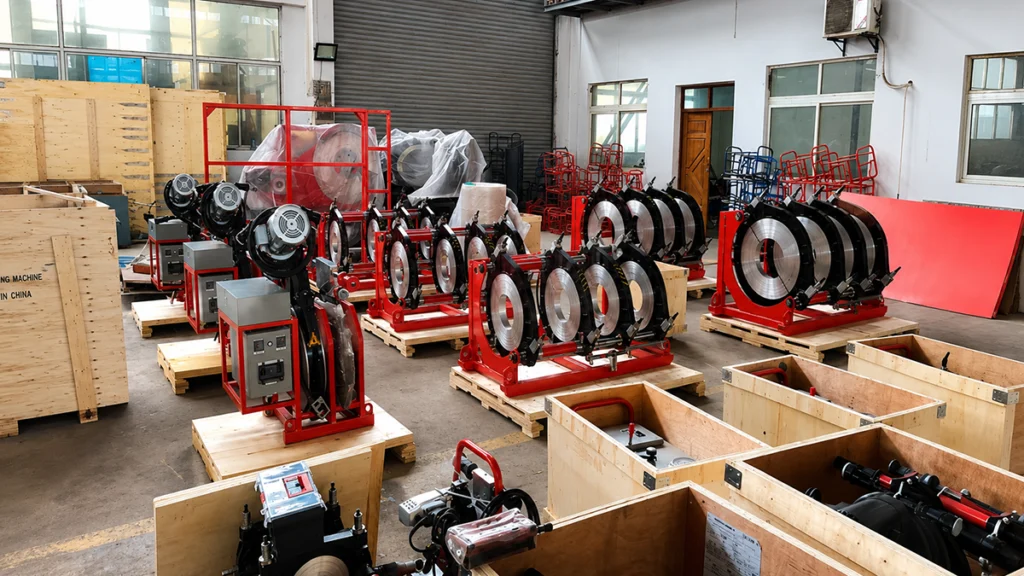
HDPE’s incredible versatility has crowned it the material of choice across a massive range of industrial sectors. Naturally, the specific demands of these industries dictate exactly what kind of pipe fusion machine you need on site.
Mining, slurry, and industrial utility lines
Mining operations lean heavily on HDPE for slurry transport, mine dewatering, and aggressive chemical transfers. Why? Because the material offers unbelievable abrasion and corrosion resistance. These pipelines survive under extreme dynamic stress and crushing internal pressures. Fusion machines deployed in mining sectors must pump out immense hydraulic force to weld thick SDR7 and SDR6 pipes. This ensures the joints can shrug off the relentless, scouring action of mineral slurries without suffering structural fatigue.
Irrigation, drainage, and agricultural infrastructure
Agricultural projects routinely involve dragging kilometers of pipeline across brutal, uneven terrain. When building irrigation and drainage networks, contractors usually opt for mid-sized hydraulic butt fusion machines (handling up to 355mm). These units strike the perfect balance. They are portable enough to move efficiently through the field, yet they pack the hydraulic muscle required to forge leak-proof joints that maintain steady water pressure for massive pivot irrigation systems.
Gas and telecom duct installations
Gas distribution networks and underground telecom cable ducts demand absolute adherence to zero-leak regulations, like the strict EN 12007 standard. Gas pipelines are particularly volatile; a single compromised weld creates a massive safety hazard. Because of this, CNC automatic butt fusion machines are often legally mandated for these installations. The automation guarantees that every joint is welded perfectly to spec and meticulously logged for regulatory compliance and future safety audits.
What affects butt fusion machine price?
Butt Fusion Machine Price boils down to three main factors: brand origin, automation level, and overall size. Western premium brands slap massive markups on their gear, heavily leaning on legacy branding and proprietary software. Take a basic McElroy 2LC package, which can easily retail around $4,325. On the flip side, top-tier Chinese OEMs produce butt fusion machines with matching specifications and rugged, heavy-duty build quality. By sourcing from these manufacturers, African buyers can pocket 20-30% gross margin savings on their capital expenditure without sacrificing an ounce of weld integrity.
Price, Lead Time, and Supplier Factors African Buyers Should Check
Sourcing heavy machinery for African projects is rarely simple. It means navigating a maze of complex logistics, tricky customs, and intense long-term maintenance planning. Buyers need to calculate the true landed cost and lock in bulletproof supplier guarantees to protect project profitability.
How do MOQ, shipping, and customs impact total cost?
Single-unit purchases are standard for massive 1000mm+ butt fusion machines. However, distributors frequently run into Minimum Order Quantities (MOQ) when trying to secure wholesale pricing on smaller manual units. Sea freight to African ports tacks on significant lead time and expense, largely driven by the butt fusion machine’s bulky volumetric weight. When calculating the actual total cost of ownership, buyers must strictly account for local import duties, port handling fees, and the harsh reality of inland transport costs to the final site.
Which supplier documents and warranties should you request?
Never sign off on a HDPE pipe welding machine without thoroughly vetting the supplier’s credentials. Demand a complete stack of documentation, including CE certifications, proof of ISO 9001 manufacturing standards, and independent lab test reports verifying the heating plate’s thermal uniformity. A solid, reputable supplier won’t hesitate to offer a 24-month warranty on non-consumable parts. They will also provide meticulously detailed packing lists to guarantee a frictionless customs clearance process at your destination port.
What spare parts and consumables should be included?
Site downtime in remote African locations will financially cripple a project. To avoid this trap, buyers must aggressively negotiate the inclusion of essential spare parts right in the initial shipment. Always stock up on extra high-speed carbon steel milling blades, replacement heating tubes, spare temperature sensor wires, and backup hydraulic seal kits. Keeping these consumables on hand prevents your pipeline construction from grinding to a multi-week halt while you wait for an international courier to arrive.
What causes weak or uneven fusion joints?
Uneven joints usually stem from sloppy pipe preparation or aggressive environmental interference. If the milling process doesn’t shave the pipe ends completely flat, the heating plate won’t make full contact, creating dangerous cold spots. Also, operators must test the heating plate balance using a test strip or pressure-sensitive paper. If they skip this step and fail to adjust the four balancing screws before welding, the asymmetrical pressure will violently squeeze the melted polymer out of the weld zone in an uneven mess.
Common Welding Mistakes and Risks to Avoid
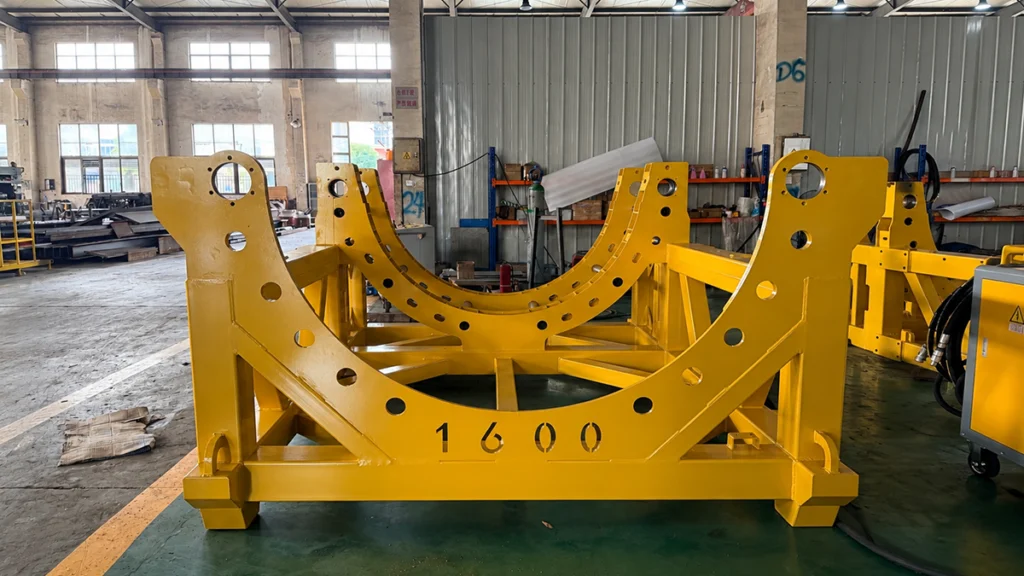
The most advanced equipment in the world cannot save you from sloppy operational protocols. Recognizing common failure modes empowers site managers to enforce strict quality control measures and aggressively defend the pipeline’s overall integrity.
How do operator error and bad setup affect output?
Human error easily ranks as the number one cause of pipeline leaks. Night shift fatigue frequently pushes operators to rush the crucial cooling phase or assemble pipes without double-checking the axial alignment. When misaligned pipes are pressurized, the structural components simply tear apart post-fusion. Another massive mistake? Forgetting to wipe the PTFE heating plate with a lint-free cloth between welds. This drags dust and degraded plastic straight into the fresh joint, completely destroying the molecular bond.
Which inspection steps prevent field failures?
Real quality assurance has to happen right there at the trench. Inspectors need to physically measure the width and rollback of the weld bead. A healthy bead should be uniformly curled back against the pipe surface around the entire circumference. With data-logging machines, supervisors can easily cross-reference the joint’s recorded temperature and pressure curve against ISO standards well before the pipe gets buried. Furthermore, running destructive testing on sample welds before the project kicks off proves that both the butt fusion machine and the operator are perfectly calibrated.
Best choice for contractors and installers
Local plumbing contractors, irrigation installers, and civil works teams dealing with pipes in the 63-355mm range will see the highest ROI from manual or hydraulic butt fusion machines. These units hit the sweet spot. They deliver rugged portability, simple operation in tight trenches, and an incredibly low capital cost. This makes them the ultimate choice for everyday water and agricultural pipeline jobs.
Best choice for distributors and rental businesses
Equipment distributors and rental fleet operators need to focus their energy on partnering with established OEM/ODM suppliers. This approach opens the door to custom branding, regional voltage tweaks, and heavy bulk procurement discounts. Building a diverse fleet of semi-hydraulic and fully hydraulic butt fusion machines (covering up to 630mm) that utilize standardized, easily swappable parts guarantees maximum rental uptime and stellar long-term profits.
Final Buying Recommendation for Different Project Scales
Ultimately, choosing the correct Butt Fusion Machine for HDPE Pipe comes down to matching the equipment’s tech capabilities with the financial and operational reality of your specific African pipeline project.
Best choice for large infrastructure and utility projects
Major EPC contractors handling bulk water transmission, municipal gas networks, or mining slurry lines have no room for compromise—fully automatic CNC machines (710-1000mm+) are strictly mandatory. Yes, the initial capital expenditure is steep. But that cost is rapidly offset by plummeting labor intensity and the total elimination of disastrous weld failures. Built-in data logging secures your compliance with rigid international standards, shielding the contractor from liability while delivering pipeline infrastructure built to last for generations.
FAQ
Q1: What size butt fusion machine do I need for HDPE pipe?
You need a butt fusion machine equipped with a clamping range that fully covers your project’s specific pipe diameters. These machines are categorized by their absolute maximum capacity (like 160mm, 315mm, 630mm, or 1000mm). A smart rule of thumb is to buy a machine slightly larger than your current maximum need to handle future jobs. Just ensure it ships with the correct reduction inserts to grip your smaller pipes.
Q2: Is a hydraulic butt fusion machine better than a manual model?
Absolutely, especially if you are working with pipes over 250mm or dealing with high-pressure applications. Hydraulic butt fusion machines pump out the immense, consistent interfacial pressure (reaching up to 16 MPa) needed to flawlessly forge thick-walled pipes together. Manual models rely entirely on human leverage, which is naturally inconsistent and physically impossible to maintain on massive infrastructure pipes.
Q3: What power supply is required for HDPE butt fusion welding on site?
Smaller units (up to 315mm) usually run perfectly fine on standard 220V single-phase power. However, massive infrastructure HDPE pipe welding machines (like 800mm and up) demand a stable 380V three-phase power supply and can easily draw over 20 KW. You absolutely must run an oversized, high-quality site generator fitted with an Automatic Voltage Regulator (AVR) to stop the heating plate from losing temperature mid-weld.
Q4: How do I choose a butt fusion machine for water, gas, or mining projects?
For water and mining sectors, prioritize heavy-duty hydraulic machines built with ultra-rugged chassis and high-pressure capabilities to conquer thick SDR pipes. For gas projects, you have to pivot to CNC automatic machines featuring built-in data logging (ISO 12176-4 compliant). This is the only way to meet aggressive zero-leak regulatory standards and supply verifiable weld tracking data.
Q5: What is the difference between manual, semi-automatic, and CNC butt fusion machines?
Manual machines depend on hand levers to generate pressure. Semi-automatic (hydraulic) models upgrade to push-button hydraulic stations for pressure, but still rely on the operator to manually time the heating and cooling phases. CNC automatic butt fusion machines take over completely, fully automating the temperature, pressure, and timing cycles. They eliminate human error entirely and record detailed data for every single joint.
Q6: How can I check whether a butt fusion weld is strong enough?
Start with a visual inspection of the weld bead; it needs to be perfectly uniform in size and rolled completely back against the pipe on both sides. For absolute proof, pull the CNC data logs to verify that the exact temperature and pressure parameters were hit. Standard industry practice also demands pre-project destructive testing (like tensile pull tests) on sample welds to ensure total reliability.
Q7: What affects the price and delivery time of a butt fusion machine to Africa?
Butt fusion machine price heavily depends on butt fusion machine size, the level of automation (CNC vs. manual), and the brand’s origin (Western premium vs. Chinese OEM). Delivery time is dictated by manufacturing lead times, sea freight schedules to African ports, and how fast local customs clears the cargo. Buying direct from an OEM easily saves you 20-30%, but you must factor in a 4-6 week window for ocean shipping.
Conclusion
Choosing the right Butt Fusion Machine for HDPE Pipe is an important procurement decision for African pipeline projects. Buyers should evaluate key technical factors such as pipe diameter range, hydraulic pressure control, heating plate temperature stability, alignment accuracy, power supply, and job-site conditions before selecting a machine.
For irrigation, municipal water, mining, gas, and industrial applications, the equipment configuration should match the actual project requirements. Manual, hydraulic, and CNC butt fusion machines offer different levels of control, productivity, and data traceability, so the selection should be based on pipe size, operating environment, and required welding consistency.
Supplier capability is equally important. Buyers should review technical documentation, applicable ISO or DVS standards, spare parts availability, after-sales support, and operator training. A well-matched machine and reliable supplier can help reduce rework, improve welding consistency, and support long-term HDPE pipeline performance.
Let our experts help you choose the right equipment for your project
Contact Our Engineering Team