
Table of Contents
An HDPE pipe jointing machine fuses HDPE pipes into leak-free joints using butt fusion or electrofusion. This guide explains the types, working principle, key specifications, costs, and a step-by-step framework to help you select the right machine for your pipe diameter, application, and project scale.
What Is an HDPE Pipe Jointing Machine?
Definition and Core Function of an HDPE Pipe Jointing Machine
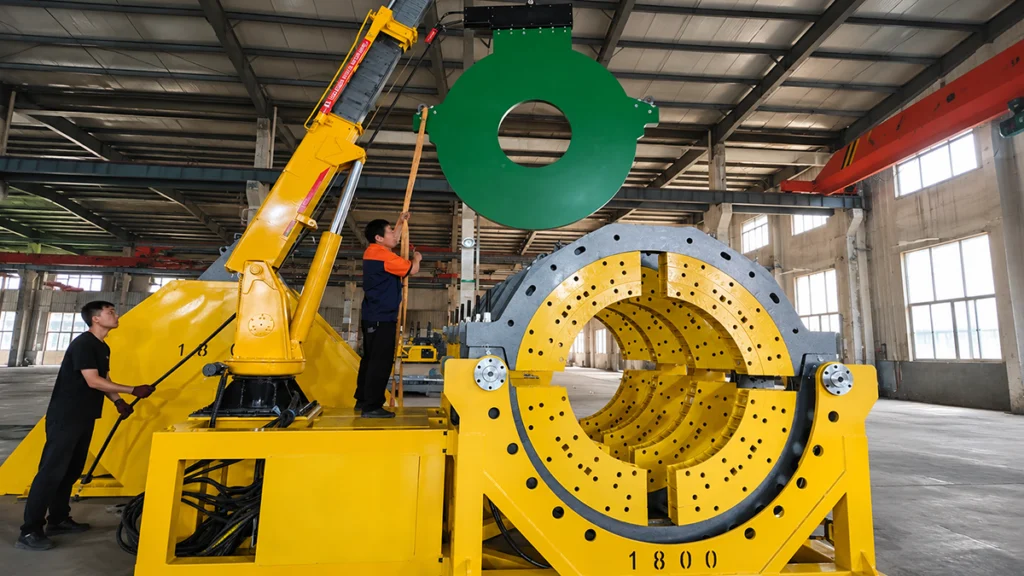
An HDPE pipe jointing machine is specialized industrial equipment built to fuse high-density polyethylene (HDPE) pipes using a tightly controlled mix of heat and mechanical force. It handles the entire sequence: precise preheating, butt fusion welding, pressure holding, and cooling. The result? A seamless, leak-proof pipeline infrastructure. By dialing in the exact temperature and pressure, this equipment forces the molecular structure of the pipe ends to bond perfectly. Ultimately, you get a joint that is structurally just as strong as—if not stronger than—the original pipe itself.
What Does ‘Jointing’ Mean in HDPE Pipe Welding?
In pipeline engineering, “jointing” simply refers to melting and solidifying polyethylene material to permanently connect two separate pipe sections. First, the machine heats the pipe ends to a precise melting point, usually between 200°C and 230°C depending on your local standard. Next, hydraulic cylinders rapidly press them together. This thermal fusion completely eliminates the need for mechanical fittings, flanges, or messy chemical solvents. You walk away with a single, continuous pipe system built to handle extreme internal pressures.
Where Is This Equipment Used in a Pipeline Project?
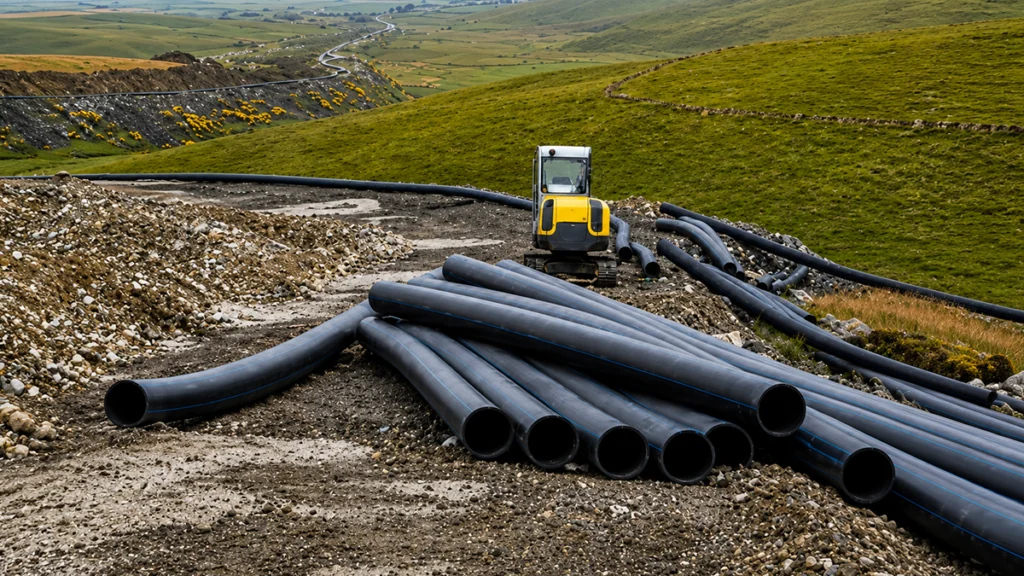
You will find these butt fusion machines deployed across almost every major infrastructure sector. Pipeline contractors and utility companies rely on them heavily to build municipal water supply lines, drainage systems, high-pressure natural gas networks, and urban heating grids. They also play a huge role in agriculture for massive irrigation setups. Beyond that, mining operations depend on them to lay durable pipelines for transporting abrasive materials, while telecom companies use them to create continuous underground conduits that protect vital cables.

Why HDPE Pipe Jointing Quality Matters
Impact of Joint Quality on Pipeline Lifespan and Safety
Engineers design HDPE pipes to last 100 years. They offer incredible corrosion resistance compared to old-school carbon steel. But there is a catch. Because these pipelines often carry hazardous, high-pressure materials like natural gas or industrial chemicals, the structural integrity of every single joint is non-negotiable. If your fusion pressure or temperature drifts even slightly, the weld weakens. That doesn’t just shorten the pipeline’s lifespan; it introduces massive environmental and safety liabilities.
What Happens When a Fusion Joint Fails?
A failed fusion joint triggers a nightmare scenario: sudden pressure drops, dangerous leaks, and immediate system shutdowns. In high-stakes Tier 1 utility contracts, inspectors do not mess around. A minor parameter slip-up—like dropping the pressure too early during the cooling phase—will instantly earn you a “FAILED” grade. Fixing a failed joint means you have to excavate the site, depressurize the entire system, and re-weld everything from scratch. It disrupts essential services and puts the surrounding community at serious risk.
Cost of Rework vs Investing in the Right Machine
Digging up and reworking a failed large-diameter underground pipe costs an absolute fortune. The sheer expense of excavation, replacement materials, and extra labor will quickly wipe out any money you saved by buying cheap equipment. On the flip side, investing in an automated CNC machine takes human error out of the equation. It replaces expensive manual labor and consistently saves contractors anywhere from $20,000 to $30,000 on a standard six-month project. Upgrading your gear usually pays for itself the very first time it prevents a joint rework.
Factory-direct pricing with technical consultation included
Get Your Free QuoteMain Types of HDPE Pipe Jointing Machines
Butt Fusion Welding Machines
A butt fusion welding machine perfectly aligns, heats, and presses two pipe ends together to forge a permanent bond. Today, this is the global gold standard for joining long, straight runs of HDPE pipe. You will see everything from basic mechanical units meant for lightweight residential plumbing to massive, heavy-duty hydraulic beasts pushing up to 16 MPa of pressure for large-diameter municipal and mining jobs.
Electrofusion Jointing Machines
Electrofusion takes a totally different approach. Instead of a heating plate, this method uses specialized pipe fittings packed with embedded electrical heating coils. The electrofusion welding machine sends a current straight into the fitting, melting the inner plastic so it fuses directly with the pipe’s exterior. When you compare electrofusion to butt fusion, electrofusion wins hands-down for tight spaces. If you are working in a cramped trench, handling vertical installations, or doing tie-ins where a bulky butt fusion frame simply will not fit, this is your go-to. Plus, modern electrofusion units scan the fitting’s barcode to set welding parameters automatically, removing the hassle of manual voltage tweaks.
Manual, Semi-Automatic, and Fully Automatic (CNC) Machines
- Manual Butt Fusion: These rely entirely on the operator’s physical muscle. They work fine for small-diameter, low-pressure residential water lines. The manual butt fusion machines upfront cost is low, but you need a highly skilled operator to get consistent results.
- Semi-Automatic (Hydraulic): These hydraulic butt fusion machines step things up with a hydraulic unit to drive and hold pressure. If you are working with mid-to-large diameters, you absolutely need this. Manual force just cannot sustain the heavy pressure required for proper milling and fusion.
- Fully Automatic (CNC): The top tier. CNC units run on closed-loop systems packed with solenoid valves, electronic feedback sensors, and automatic hot plate lift-off mechanisms. They also log data directly onboard. A CNC automatic butt fusion machine can store up to 1,000 weld records, delivering the bulletproof, repeatable procedures that strict utility contracts demand.
Which Type Suits Your Pipe Diameter and Project Scale?
Manual butt welding machines do the trick for non-critical pipelines under 160mm. For standard municipal water jobs running pipes between 160mm and 630mm, semi-automatic hydraulic butt fusion welding machines are your best bet to guarantee structural integrity. However, if you are tackling high-pressure gas distribution, abrasive mining applications, or any contract that demands zero-defect tolerances and strict traceability, fully automatic CNC automatic butt fusion machines are non-negotiable—no matter what pipe diameter you are working with.
How an HDPE Butt Fusion Machine Works
Key Components: Frame, Heating Plate, Trimmer, and Hydraulic Unit
An industrial butt fusion machine breaks down into four primary pieces:
1. Frame/Clamping Device: This secures the pipe ends and keeps them perfectly aligned. Trench-specific models often separate the operating system from the frame to squeeze into tight spaces.
2. Heating Plate: Coated in non-stick PTFE, this plate uses a high-precision temperature control system (0–300°C) to keep heat tightly regulated, usually maintaining a strict differential of just ≤±3°C to ±5°C.
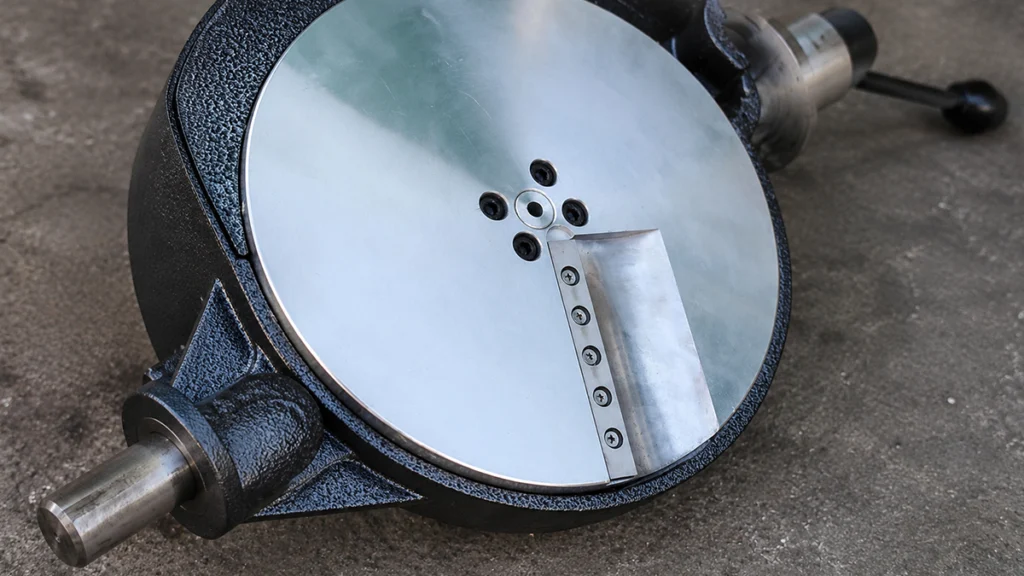
3. Trimmer/Milling Cutter: This electric cutter shaves the pipe ends flat. It comes equipped with safety limit switches to stop accidental start-ups.
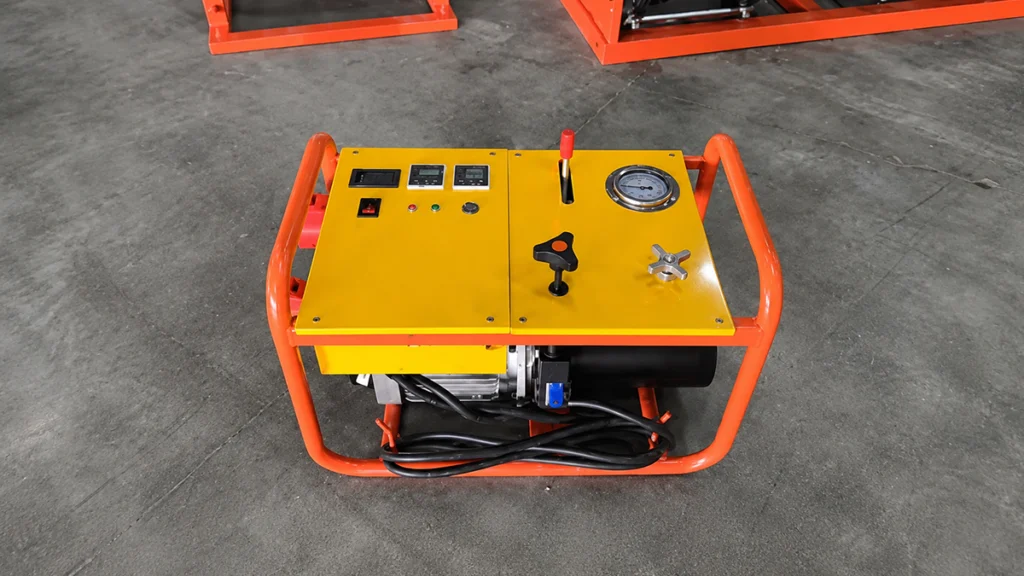
4. Hydraulic Unit: The muscle of the operation. It delivers steady, adjustable pressure from 0–6.3 MPa for standard pipes, pushing up to 16 MPa for heavy-duty, large-diameter setups.
The Butt Fusion Welding Process Step by Step
1. Pipe Clamping & Alignment (Bead-up): Operators lock the pipes into the frame and inspect them closely for any high-low alignment issues.
2. Milling/Facing: The trimmer shaves down the pipe ends until long, continuous plastic ribbons peel off, guaranteeing perfectly parallel faces.
3. Heating/Preheating: The operator inserts the heating plate. The HDPE pipe welding machine presses the pipes against it until a specific bead forms, then drops the pressure to let the heat penetrate deeply.
4. Fusion/Pressing: The plate pulls away quickly, and the hydraulic unit instantly slams the melted ends together at the exact required fusion pressure.
5. Pressure Holding: The pipe fusion machine holds that hydraulic pressure steady while the fresh joint starts to solidify.
6. Cooling Solidification: The joint sits under pressure until it completely cools down, locking in a flawless weld.
How Temperature, Pressure, and Time Control Joint Strength
A joint’s structural strength comes down to a flawless synchronization of temperature, pressure, and time. Run the heat too low, and the molecular chains won’t lock together. Run it too high, and the plastic degrades. To manage this, the butt fusion welding machine uses independent dual-channel timers to track heat absorption and cooling phases down to the second. Once a phase finishes, loud alarms sound. This stops operators from releasing the hydraulic pressure too early, a critical mistake that instantly triggers stress fractures inside the joint.
Get detailed specs and custom configuration options
Request Technical SpecificationsKey Technical Specifications and Decision Criteria
Pipe Diameter Range (e.g., 40mm–2250mm)
Manufacturers strictly categorize these HDPE pipe welding machines by their maximum welding capacity. You will not find a magical “40mm–2250mm” all-in-one unit. Instead, equipment gets broken into specific operational brackets to keep the hydraulics efficient. You’ll typically see ranges like 40–160mm, 90–315mm, 180–450mm, and 315–630mm. For massive infrastructure jobs, you step up to the heavy-duty 630–1000mm+ behemoths.
Hydraulic Pressure, Heating Plate, and Power Requirements
Nailing down hydraulic butt fusion specifications is vital for your site planning.
- Mid-Range Example (250mm Machine): A typical 250mm setup runs on 380V with a total power draw around 5.05kW (2.3kW for heating, 2.0kW for milling, and 0.75 kW for the hydraulics). It pushes 0–8 MPa of pressure.
- Heavy-Duty Example (1000mm Machine): Move up to a 1000mm unit, and you need a 380V three-phase supply. It draws a massive 24.5 kW (17.5 kW heating, 3.0 kW milling, 4.0 kW hydraulic), delivers up to 12 MPa of pressure, and weighs in at roughly 2,600 kg.
Manual vs Data-Logging and CNC Automation
Manual hydraulic systems force the operator to stare at pressure gauges and click stopwatches. CNC automation strips away that guesswork entirely. Today’s advanced CNC models boast IP54-rated environmental protection, ultra-tight alignment deviation tolerances (≤0.3mm), and the ability to beam encrypted PDF data logs straight to your office. Make no mistake: data-logging is not a luxury feature anymore. It is a hard baseline requirement for securing modern utility contracts.
What Specifications Should You Confirm Before Ordering?
Before you sign off on a purchase order, strictly verify these details:
- The exact maximum and minimum pipe diameter capacity.
- SDR (Standard Dimension Ratio) compatibility so you know it handles your maximum wall thickness.
- Power supply specs (voltage, phase, and total kW) to ensure your on-site generators can handle the load.
- The specific welding standards programmed into the PLC (like ISO, DVS, or ASTM) required by your contract.
Application Scenarios by Industry
Water Supply and Municipal Pipeline Projects
When you are laying down water supply pipelines, a standard semi-automatic hydraulic butt fusion welding machine usually hits the sweet spot. The main goal here is straightforward: build a leak-free, corrosion-resistant network over long distances. Municipal jobs rarely demand the extreme, high-pressure capabilities you would need in a mine, making mid-tier hydraulic units highly cost-effective.
Gas Distribution and Industrial Applications
Natural gas lines and chemical transport networks operate on a zero-defect tolerance. For these sectors, fully automatic CNC automatic butt fusion machines are absolute must-haves. Because the fluids are highly volatile, the equipment has to automatically control heating and cooling times without any operator interference. On top of that, regulators require these HDPE pipe welding machines to log operator ID codes, track ambient temperatures, and generate precise pressure graphs to maintain airtight traceability.
Mining, Dredging, and Large-Diameter Field Welding
Mining and dredging push equipment to the absolute limit. You are dealing with massive, thick-walled pipes in brutal, abrasive environments. You need heavy-duty HDPE pipe jointing machines packing high-pressure hydraulic cylinders (up to 16 MPa). Before fusion even starts, these rigs must run “drag tests” to measure and compensate for the massive friction generated by dragging kilometer-long pipes across jagged terrain.
On-Site vs Workshop Jointing Requirements
Fieldwork and workshop fabrication demand entirely different setups. A portable trench butt fusion welding machine needs a separate clamping frame and a remote operating platform, linked together by flexible high-pressure hoses and quick-connect fittings. Workshop pipe fusion machines, on the other hand, are heavy, stationary, integrated units purpose-built for fabricating complex fittings like tees and elbows in a highly controlled environment.
How to Select the Right HDPE Pipe Jointing Machine
Step 1: Match Machine to Pipe Diameter and Material
The golden rule of procurement here is matching the equipment directly to your most common pipe diameter. Always choose a HDPE pipe welding machine where your primary pipe size sits right in the middle of its operational range. For instance, if you constantly weld 200mm to 250mm pipes, buy a 315mm butt fusion welding machine. This keeps your hydraulic cylinders from constantly maxing out their stroke, significantly extending the life of your equipment.
Step 2: Choose the Right Automation Level
Avoid the trap of overbuying or underbuying. Stick to manual units only if you are running temporary or non-critical agricultural lines. For everyday municipal water and drainage, standard hydraulic butt fusion welding machines work perfectly. But if you touch gas distribution, hazardous chemicals, mining, or any Tier 1 utility contract demanding digital weld records, you must specify fully automated CNC equipment.
Step 3: Evaluate Standards Compliance (ISO 12176, DVS)
Fusion pressure calculations change depending on where you are in the world. You have to ensure the hdpe pipe welding machine’s onboard computer comes pre-loaded with the specific global welding standards dictated by your contract. Metric regions usually lean on ISO 21307 or DVS 2207-1 (low-pressure welding at roughly 1.5 bar). Meanwhile, North American jobs generally require ASTM F2620 (high-pressure welding). Top-tier CNC automatic butt fusion welding machines let you toggle between these standards without missing a beat.
How Do You Avoid Buying an Oversized or Undersized Machine?
Grab an undersized HDPE pipe welding machine, and you will bleed money renting extra gear when the project scope creeps. Buy an oversized rig, and you create a logistical nightmare. A 1000mm pipe fusion machine weighs over 2.5 tons—you cannot practically maneuver it for a basic 250mm trench job. Do a quick audit of your last three years of pipeline contracts. Find the 80th percentile of the pipe diameters you actually install, and size your primary fleet investment specifically to that bracket.
Cost, MOQ, Lead Time, and Supplier Evaluation
Typical Price Ranges by Machine Type and Diameter
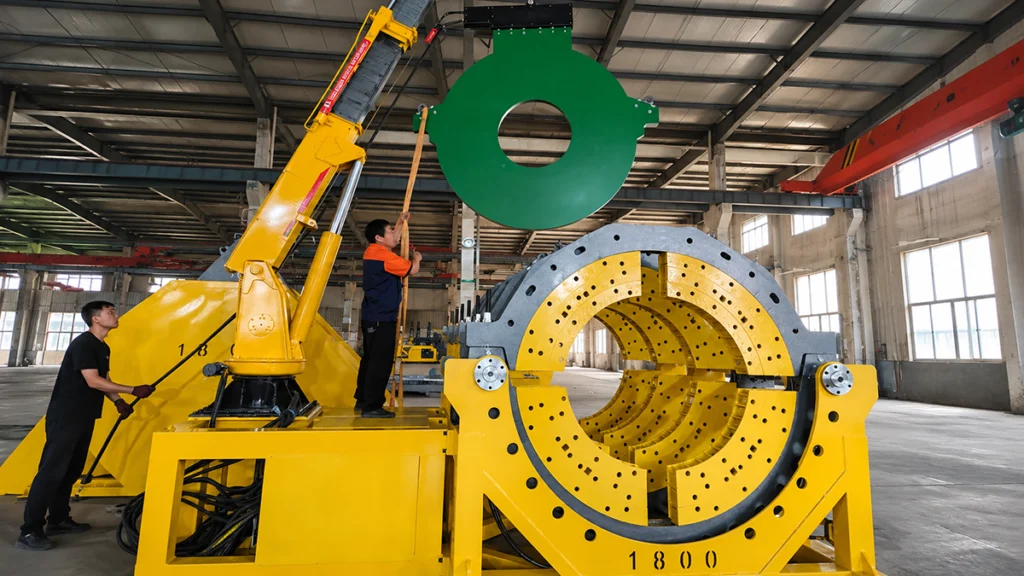
Pricing swings wildly depending on automation and diameter capacity. A solid mid-range hydraulic butt fusion machine (handling 90mm up to 250mm) will generally run you between $1,600 and $2,000. Step up to a heavy-duty, large-diameter unit (630mm–800mm), and you are looking at $5,000 to $7,500 or more. If you want to upgrade a standard hydraulic unit to a fully automatic CNC system, expect the capital cost to multiply by three or four, thanks to the pricey PLCs, advanced sensors, and automated lift-off tech.
MOQ, Lead Time, and Shipping Considerations
Most credible manufacturers set their Minimum Order Quantity (MOQ) at just one unit for both standard hydraulic and CNC models. For standard configurations in the 63mm to 315mm range, lead times hover around 7 to 14 days. However, if you order a massive 1000mm+ rig or need custom PLC programming, expect a 30 to 45-day wait. Do not forget to bake sea freight transit times into your mobilization schedule—depending on the destination port, that is easily another 20 to 40 days.
How to Evaluate an HDPE Jointing Machine Supplier?
Vetting a manufacturer requires serious due diligence. Market data shows that 90% of B2B buyers actually care more about 24-hour online technical support and solid warranty coverage than they do about base pricing. Grade your potential suppliers on their ability to deliver real-time remote troubleshooting, comprehensive video tutorials, and highly detailed operation manuals. When a butt fusion welding machine goes down in the trench, your supplier’s responsiveness is the only thing standing between a quick fix and catastrophic site downtime.
Spare Parts, Warranty, and After-Sales Support
Maintenance needs and spare parts availability drive your total cost of ownership. Make sure your supplier builds pipe welding machines using globally sourced, standardized electrical and hydraulic components (like Schneider electrics) rather than proprietary parts you cannot easily replace. The industry standard is a 1-year warranty backed by lifetime maintenance, which should include free replacements for non-human damage. Always prioritize suppliers who keep a deep inventory of consumables ready to ship, especially PTFE heating plates and trimmer blades.
Common Mistakes and Hidden Risks When Buying
Choosing on Price Alone
Buying a cheap manual butt fusion machine just to save a few bucks upfront is a classic rookie mistake. If you try to manually weld mid-sized municipal pipes, you will get wildly inconsistent joints. Contractors routinely bleed $20,000 or more on a single project due to labor inefficiencies, failed weld inspections, and brutal rework costs. That initial savings vanishes instantly.
Ignoring Standards and Traceability Requirements
Failing to check if a HDPE pipe jointing machine complies with your required ISO, DVS, or ASTM standards is a massive gamble. Imagine a utility contract demanding strict data-logged traceability. If your crew rolls up with a basic hydraulic machine lacking an encrypted PDF logging module, the inspector will reject the entire pipeline. You will be forced into a total, devastating system rebuild.
Overlooking Operator Training and Site Conditions
Procurement managers often assume field crews can just figure out hydraulic equipment on the fly. That is a dangerous assumption. Surveys show 75% of construction teams view a lack of equipment training as a massive operational hazard. Dropping a complex CNC automatic butt fusion machine onto a job site without demanding on-site commissioning or deep video training from the supplier leads directly to broken equipment and dangerous hydraulic miscalculations.
Practical Buying Recommendations and Final Selection Guide
Recommended Machine by Project Type and Diameter
- Residential/Agricultural (Up to 160mm): Stick with manual or entry-level hydraulic butt fusion machines.
- Standard Municipal Water (160mm–630mm): Grab semi-automatic hydraulic butt fusion machines equipped with heavy-duty clamping frames.
- Gas Distribution & Hazmat (Any Diameter): Fully automatic CNC butt fusion machines featuring data-logging and IP54 environmental protection are mandatory.
- Mining & Dredging (630mm–2600mm): Heavy-duty hydraulic butt fusion welding machines sporting high-pressure 16 MPa cylinders and drag-test capabilities.
- Confined Trench Tie-ins: Electrofusion welding machines equipped with built-in barcode scanners.
A Pre-Purchase Checklist for Buyers
1. Define Scope: Pinpoint the absolute maximum pipe diameter and SDR (wall thickness) for your upcoming job.
2. Determine Standard: Find out if the local utility inspector demands ISO 21307, DVS 2207, or ASTM F2620 compliance.
3. Assess Environment: Figure out if the pipe welding machine needs separate trench operating platforms or if it will sit comfortably in a fabrication workshop.
4. Evaluate Support: Double-check the supplier’s spare parts stock, warranty fine print, and ability to provide 24/7 remote video support.
When to Request a Customized Configuration
Off-the-shelf butt fusion welding machines handle about 90% of field applications, but specialized jobs require custom tweaks. Do not hesitate to request a custom setup if you need expedited shipping for an emergency repair, specialized backup hydraulic power units for freezing environments, or specific PLC software adjustments to satisfy local utility codes. Also, if you are looking to modernize an aging fleet, ask suppliers about trade-in programs for upgrading to the latest CNC standards.
FAQ
Q1: What is the difference between butt fusion and electrofusion for HDPE pipe?
Butt fusion directly heats the pipe ends using a PTFE-coated plate, then rams them together with hydraulic force to create a seamless joint. Electrofusion relies on a specialized coupling fitting packed with electrical coils. The HDPE pipe jointingmachine sends a current to melt the inside of the fitting, fusing it to the outside of the pipe. If you are working in a tight, confined trench, electrofusion is the way to go.
Q2: What diameter range can an HDPE pipe jointing machine handle?
Manufacturers build these butt fusion machines in specific operational brackets to keep the hydraulic systems running efficiently. Standard ranges usually cover 63–160mm, 90–250mm, 160–315mm, and 400–630mm. For massive infrastructure projects, heavy-duty machines can tackle pipes from 710mm all the way up to 2600mm. Just remember: no single HDPE pipe jointing machine can efficiently weld a tiny 40mm pipe and a massive 2600mm pipe.
Q3: How much does an HDPE pipe jointing machine cost?
Pricing ultimately comes down to your required diameter capacity and automation level. A dependable mid-range semi-automatic hydraulic butt fusion machine (handling up to 250mm) generally runs between $1,600 and $2,000. Move up to large-diameter rigs (up to 800mm), and prices stretch from $5,000 to over $7,500. Fully automatic CNC automatic butt fusion welidng machines will cost you three to four times more than standard hydraulic units because of the advanced PLCs and data-logging sensors.
Q4: Which standards should an HDPE butt fusion machine comply with?
Your butt fusion machine has to align perfectly with regional and project-specific engineering codes. Metric regions typically enforce ISO 21307 or DVS 2207-1 for low-pressure welding. North American jobs almost always dictate ASTM F2620 for high-pressure welding. If you buy an advanced CNC automatic butt fusion machine, ensure its onboard computer lets you toggle seamlessly between these standards.
Q5: Do I need a manual, semi-automatic, or CNC fusion machine for my project?
Use manual butt fusiong welding machines for simple, small-diameter agricultural lines. Step up to semi-automatic hydraulic butt fusion machines for everyday municipal water and drainage jobs. However, if you are touching gas distribution, hazardous chemical transport, or any Tier 1 utility contract that demands strict digital weld traceability, you absolutely must mandate fully automatic CNC butt fusion machines.
Q6: How long does it take to weld one HDPE pipe joint?
Welding times fluctuate based on pipe diameter, wall thickness (SDR), and the ambient temperature on site. A standard 250mm pipe usually requires 15 to 25 minutes to complete the full cycle—facing, heating, fusion, and cooling. Massive pipes, like a 1000mm line, demand much longer heat soak and pressure-holding cooling times, frequently taking over an hour to finish a single joint.
Q7: What spare parts and maintenance does an HDPE jointing machine require?
Routine upkeep mostly involves checking hydraulic fluid levels, inspecting your hoses for leaks, and keeping the trimmer blades sharp. The parts you will replace most often are the PTFE-coated heating plates (since the non-stick coating wears off), trimmer blades, quick-connect hydraulic fittings, and temperature sensors.
Q8: Can one machine weld both small and large diameter HDPE pipes?
No. Engineers design these pipe jointing machines for specific diameter brackets to ensure the hydraulic cylinders maintain peak efficiency. If you try using a massive 1000mm pipe welding machine on a 90mm pipe, you will not be able to apply the low, precise fusion pressure required, and you will end up crushing the pipe. On the flip side, a 160mm butt fusion welding machine simply does not have the physical frame size or hydraulic muscle to weld a 630mm pipe.
Conclusion
Securing the right HDPE pipe jointing machine is not just a basic purchase; it is a vital engineering decision that makes or breaks the 100-year lifespan of your pipeline infrastructure. Deciding between manual, semi-automatic hydraulic, or fully automated CNC equipment comes down to your strict diameter requirements, the hazards of the transported materials, and regional compliance codes like ISO 21307 or ASTM F2620. Yes, advanced CNC systems and heavy-duty hydraulic rigs demand a higher upfront investment. However, they deliver a rapid return by preventing catastrophic joint failures, securing regulatory approval through airtight data-logging, and slashing manual labor and site rework costs. Take the time to audit equipment specs, match the HDPE pipe jointing machine to your true operational bracket, and partner with a supplier that backs you up with robust spare parts and remote support. Doing so guarantees seamless, leak-proof installations every time you break ground.
Let our experts help you choose the right equipment for your project
Contact Our Engineering Team