
Find Butt Fusion Machine Accessories Suppliers Globally
Table of Contents
Introduction
Running butt fusion machines without a secured supply chain for spare parts is a financial gamble few contractors can afford to win. A single blown hydraulic seal on a DN630 pipeline project can bring a ten-person crew to a standstill, racking up over $5,000 daily in idle labor and equipment costs. For procurement officers and site engineers, a welding fleet’s reliability isn’t just about the chassis—it’s about the availability and precision of the entire ecosystem supporting it.
This guide breaks down the technical specifications for essential accessories like reduction inserts and heating plates, highlights the hidden risks of non-compliant aftermarket components, and outlines how to build a “survival kit” for remote mining or agricultural sites. We will also analyze the ROI of choosing OEM compliance over generic alternatives under ISO 21307 standards. By the end, you’ll have a solid framework for selecting the right equipment for DN40mm–DN2600mm HDPE pipe projects, helping you avoid specification errors that compromise weld integrity.
The Ecosystem of Butt Fusion Machine Accessories: Beyond the Basic Frame
A butt fusion machine isn’t a standalone tool; it is a modular system of interchangeable sub-assemblies that must function in perfect unison to reach the necessary interfacial fusion pressure. Viewing the butt fusion welding machine as a static asset often leads to procurement mistakes. Instead, buyers need to assess the accessory ecosystem, ensuring every component—from liners to heating elements—can handle the rigors of high-pressure pipeline construction.
Reduction Inserts (Liners): Material Specifications and Function
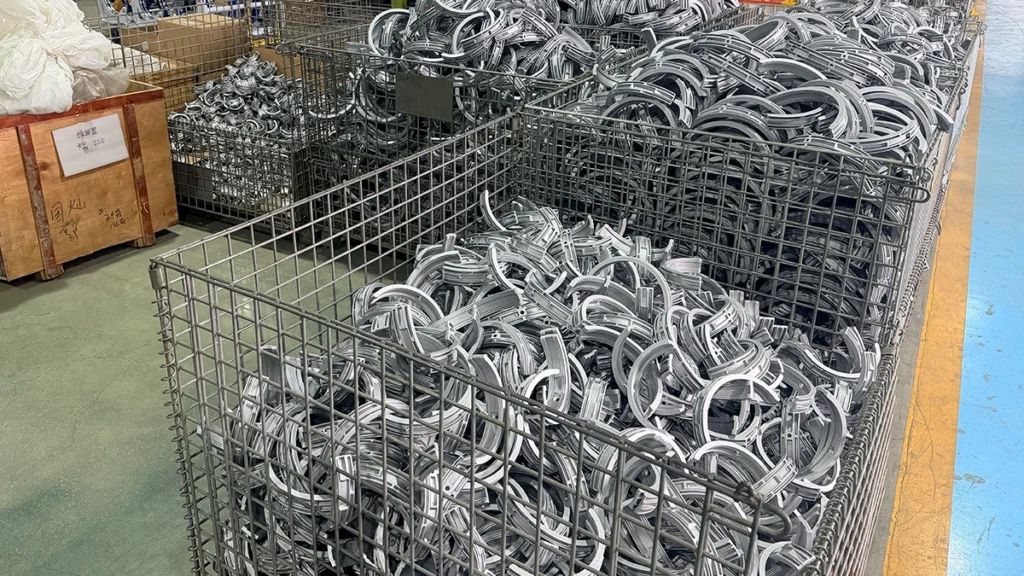
Reduction inserts are the adapters that allow the machine’s master jaws to grip various pipe diameters (e.g., using a 315mm hydraulic butt fusion machine to weld DN160mm pipe). The material of these inserts determines their lifespan and accuracy. For most standard applications (DN63mm to DN800mm), high-grade aluminum is the industry standard because it offers excellent thermal conductivity and is light enough for manual changeovers.
However, large-scale infrastructure projects using butt fusion machines in the DN1000mm to DN2600mm range often demand iron or steel inserts. At these sizes, the clamping force needed to overcome pipe ovality and drag can warp softer alloys. Buyers must verify that inserts are machined to H7 tolerances. Poorly machined inserts cause “hi-low” misalignment, preventing pipe ends from meeting flush. ISO 21307 dictates that misalignment cannot exceed 10% of the pipe wall thickness. Generic, cast-aluminum inserts frequently slip or misalign, failing this critical standard.
Heating Plates: Temperature Precision and Coating Quality
The heating plate is the variable most likely to ruin a weld if specifications are ignored. The requirement isn’t just “getting hot”; it is maintaining a precise surface temperature of 215°C ±5°C (or up to 230°C for specific PE100 applications) across the entire plate face. This demands an electronic PID control system rather than simple thermostats, which often suffer from wide hysteresis loops that lead to cold welds.
Equally vital is the PTFE (Polytetrafluoroethylene) coating. A premium heating plate uses a triple-layer coating between 25 and 75 microns thick. This prevents molten polyethylene from sticking to the heater during removal. If the coating is thin or low-quality, plastic residue adheres to the plate, contaminating the next joint and potentially tearing the molten pipe ends. Procurement teams should confirm the supplier uses industrial-grade PTFE rated for thousands of heating cycles without flaking.
Facing Tool (Trimmer): Blade Metallurgy and Alignment
The facing tool, or trimmer, planes the pipe ends to create parallel surfaces. The standard is a continuous ribbon of polyethylene, usually limited to 0.2mm thickness per pass. The accessories market offers various blade qualities, but the superior choice is double-edged High-Speed Steel (HSS).
HSS blades hold their edge much longer than carbon steel, a crucial factor when welding abrasive materials or pipes with oxidized outer layers. Additionally, the facing tool assembly must be rigid enough to prevent “chatter”—vibrations that leave a stepped or rough surface on the pipe face. High-quality facing tools feature a chain drive mechanism powered by a high-torque electric motor, ensuring consistent rotational speed even under load.
Stub End Holder Accessories
Standard master jaws are built to grip long pipe sections. However, connecting HDPE pipelines to valves, pumps, or steel piping often requires flange adapters (stub ends) with very short necks. Standard jaws cannot grip these fittings without obstructing the heater or facer.
A specialized Stub End Holder is mandatory for any project involving mechanical connections. This accessory bolts onto the master clamp, allowing butt fusion machines to securely grip fittings with limited landing areas. Without it, field crews often resort to dangerous improvisation—like using wooden blocks or manual straps—compromising both safety and alignment accuracy.
Critical Spare Parts for Minimizing Project Downtime
Smart fleet management distinguishes between “consumables” (parts expected to wear) and “emergency spares” (critical components that stop the job if they fail). A reactive approach—ordering parts only after a breakdown—doesn’t work with the tight schedules of municipal water or gas distribution projects.
Frequent Wear Items: Blades, Couplers, and Gaskets
Planer blades are the most frequently replaced items. Dull blades cause chatter and prevent the pipe ends from mating with zero gaps. Contractors should keep at least two sets of reversible HSS blades per machine on site.
Hydraulic quick-couplers are another common failure point. In the field, these couplers get dragged through mud and dust. Ekberg Welding advises specifying flat-face quick couplers over the standard poppet style. Flat-face designs are easier to clean and drastically reduce dirt ingress, which destroys hydraulic pumps. Also, the silicone gaskets sealing the heating plate handle and electrical boxes degrade over time due to heat; keeping spares ensures moisture doesn’t reach sensitive electronics.
The Hydraulic Unit: Pressure Maintenance Components
The hydraulic unit (HCU) is the system’s heart, responsible for applying fusion pressure (e.g., 0.15 MPa) and holding it during the cooling cycle. Critical spares include the pressure gauge and solenoid valves. The gauge must be glycerin-filled and shock-resistant (Class 1.6 accuracy) to survive site handling. If a gauge loses calibration, the operator cannot verify if the weld pressure meets ISO parameters.
Oil seals within the cylinders and pump are equally vital. During the “heat soak” and “cooling” phases, the butt fusion welding machine must hold pressure without the motor running constantly. Worn seals cause pressure drops, forcing the motor to cycle frequently or, worse, resulting in a weld that cools under insufficient pressure, creating a brittle joint.
Electrical Components in Harsh Environments
Electrical failures are common in mining and remote infrastructure projects due to unstable generator power. The most vulnerable components are thermocouples (typically Pt100 sensors) and solid-state relays (SSRs). A failed thermocouple can cause the heater to overheat (“run away”) or fail to reach temperature—both catastrophic for weld quality. Safety micro-switches, which prevent the trimmer from spinning unless properly seated, can also fail due to dust, rendering the HDPE pipe welding machine inoperable for safety reasons.
Remote Site Survival Kit Inventory
For projects more than 24 hours from a major logistics hub, relying on overnight shipping is a risk. We recommend a “Remote Site Survival Kit” for every three butt fusion machines deployed:
1. Spare Heater Element: Voltage-specific (220V/380V).
2. Planer Blade Sets: x4 sets (Double-edged).
3. Hydraulic Quick-Coupler Set: x2 Male/Female pairs (Flat-face).
4. Thermocouple & Temperature Controller: x1 unit each.
5. Solenoid Valve Coil: x1 replacement.
6. Hydraulic Oil: 20L of ISO VG 46.
Sourcing Criteria: OEM vs. Third-Party Aftermarket Suppliers
There is always tension between saving costs with generic parts and mitigating risk with OEM components. While a generic heating plate might cost 30% less, the downstream risks often outweigh the initial savings.
Fit Tolerances: OEM vs. Generic
OEM inserts are machined to fit the specific chassis geometry of the manufacturer’s butt fusion machine. Generic suppliers often reverse-engineer these parts, leading to slight dimensional variances. If an insert is even 0.5mm off, the pipe sits off-center. When high fusion pressure is applied, this results in “hi-low” misalignment. Fixing this requires cutting out the weld and starting over. One cut-out on a DN630 pipe wastes approximately $500 in material and labor—far exceeding the savings on a generic insert.
Heating Elements and Compliance Risks
Non-OEM heating elements often lack the precise internal winding density of genuine parts, leading to “cold spots” on the heating plate. If a weld fails a destructive test (tensile or bend test) due to uneven heating, the contractor may have to audit and re-weld the entire pipeline. Furthermore, compliance with DVS 2207 and ISO 21307 requires equipment validation; using unauthorized parts can invalidate the HDPE fusion welding machine’s calibration certificate.
Warranty Implications
Most manufacturers, including Ekberg, warranty the hydraulic and electrical systems of their butt fusion machines. However, installing a third-party hydraulic pump or non-spec electrical controller typically voids this warranty immediately. The logic is sound: the manufacturer cannot guarantee performance if control variables are altered by substandard components.
Supplier Responsiveness
Finally, evaluate the supplier’s logistics. Do they operate on a “part number” basis with detailed schematics? A supplier relying on photos (“send me a picture of the part”) is a red flag for professional procurement. You need a partner with 24-hour dispatch capabilities and a digitized inventory system that ensures the exact solenoid or seal for your specific model year is shipped.
Technical Compatibility: Matching Parts to Machine Specifications
Voltage and Frequency Variations
Global projects face voltage challenges. A butt fusion machine configured for Europe (230V/50Hz) uses different heating elements and motors than one for North America (120V/60Hz or 240V/split-phase). When ordering replacement heaters or facers, simply stating for a 250mm hydraulic butt fusion machine isn’t enough. You must specify voltage and phase (1-phase vs. 3-phase). Using a 220V heater on a 110V supply results in insufficient heat; the reverse will instantly burn out the element.
Hydraulic Interface Standards
Hydraulic hoses and Hydraulic Control Units (HCU) are not universal. Ekberg uses specific thread pitches and flat-face coupler sizes to ensure leak-free performance at pressures up to 160 bar. Mixing brands often requires dangerous thread adapters that introduce leak points. Always verify the thread standard (BSP, NPT, Metric) before sourcing aftermarket hoses.
Data Logger (LDU) Retrofitting
Many older manual butt fusion machines are mechanically sound but lack the data logging capabilities modern utility clients require. Compatibility is key here. Ekberg hydraulic units are designed with ports to accept external Data Loggers (LDU). This allows contractors to upgrade their fleet and provide weld-by-weld traceability (pressure, temperature, time) without purchasing entirely new machines.
Chassis Geometry Differences
Different butt fusion welding machine series—such as “trench-friendly” compact models versus “workshop” heavy-duty models—have different chassis geometries. Consequently, accessories like stub end holders and reduction inserts are rarely interchangeable between series, even for the same pipe diameter. Always reference the plastic pipe welding machine’s specific model code.
Ekberg Welding: Manufacturing Excellence & Global Spare Parts Support
In-House CNC Machining
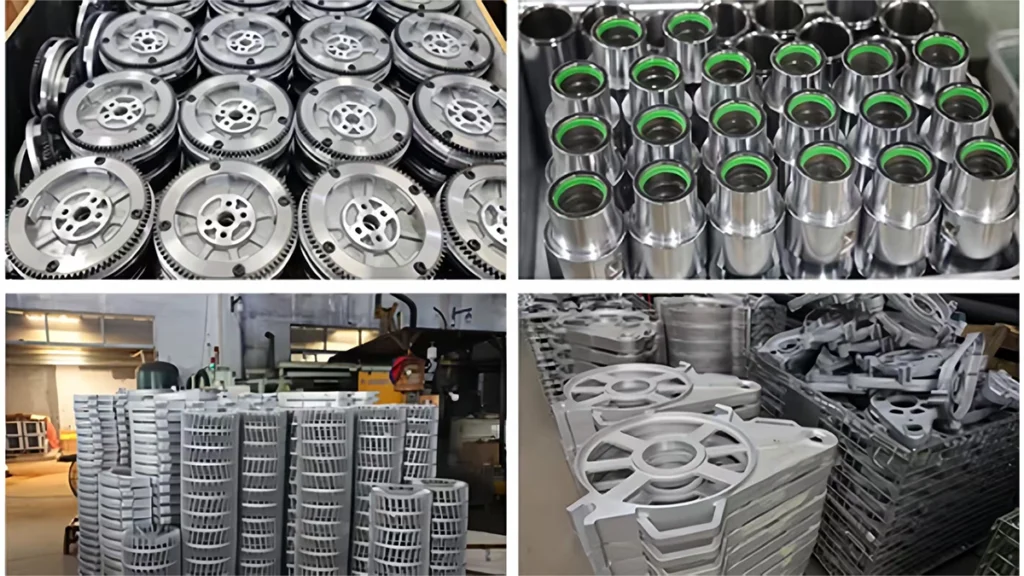
Ekberg Welding stands out by manufacturing 95% of its components in-house. Our reduction inserts are produced on 5-axis CNC machining centers, ensuring zero-tolerance errors. Unlike competitors using cast molds that warp over time, our machined aluminum inserts maintain H7 concentricity for the life of the butt fusion machine.
Quality Control (QA) Process
Every spare part, from a simple gasket to a complex hydraulic cylinder, undergoes rigorous QA. Dimensional laser scanning verifies that replacement parts match original blueprints to within microns. Electrical components undergo insulation resistance testing to meet CE safety standards, ensuring a replacement heater is safe to use in wet trench conditions.
Inventory and Logistics
We understand that downtime is the enemy. Ekberg maintains a massive inventory of standard spares, allowing 95% of orders to be dispatched via DHL or FedEx air freight within 24 hours. Our digitized warehouse system tracks stock levels in real-time, triggering production runs before items go out of stock.
Lifecycle Support Pledge
We commit to lifecycle support, guaranteeing spare parts availability for models up to 10 years after production ends. This protects your capital investment, ensuring a butt fusion machine bought today won’t become obsolete scrap metal in five years due to a lack of simple replacement seals.
Procurement Checklist: How to Order the Right Accessories
To ensure you receive the correct components the first time, follow this procurement protocol.
Step-by-Step Verification
1. Locate the Serial Number: Find the metal plate riveted to the butt fusion machine chassis.
2. Identify the Model: Note if it is a manual, semi-auto, or CNC version.
3. Reference the Exploded View: Use the parts manual to find the specific Part ID number. Do not guess based on appearance.
Essential Data Points for RFQ
When sending a Request for Quotation (RFQ), include:
- Machine Model & Serial: (e.g., EKY630 hydraulic butt fusion machine).
- Pipe Standard: ISO (Metric) or ASTM (IPS/DIPS)—this changes insert sizing.
- Voltage/Frequency: (e.g., 380V / 50Hz / 3-Phase).
- Part Description
Calculating ROI on Spares
Purchasing a “Survival Kit” with the initial butt fusion machine purchase typically costs 5-10% of the butt fusion welding machine price. However, the cost of an ad-hoc international shipment for a single part can be $200-$300 in freight alone, plus the cost of 3-5 days of downtime. The ROI of stocking spares initially is often realized within the first year of operation.
Frequently Asked Questions
Q1: Can I use Ekberg inserts on other brands of butt fusion machines, or vice versa?
Generally, no. While the pipe diameter (e.g., DN315) is standard, the external dimensions and locking mechanisms of the inserts vary significantly between manufacturers (e.g., Ekberg vs. Ritmo or McElroy). Using incompatible inserts causes poor seating, safety hazards, and misalignment. Always stick to brand-specific accessories to ensure H7 tolerance fit and safety compliance.
Q2: How often should the PTFE coating on the heating plate be refurbished or replaced?
The PTFE coating should be replaced as soon as you see deep scratches or bare aluminum. In high-volume usage, this typically occurs every 12–18 months. Damaged coating causes plastic to stick, altering heat transfer to the pipe ends and risking contamination. Ekberg supplies replacement plates and offers refurbishment services for larger, expensive heating elements.
Q3: What is the typical lead time for ordering a replacement hydraulic cylinder for a 1200mm hydraulic butt fusion machine?
For standard models, Ekberg stocks hydraulic cylinders for immediate dispatch (1-3 days transit via air). For custom or very large HDPE pipe welding machines (>DN1200mm), if not in stock, manufacturing may take 7-14 days. We strongly recommend major infrastructure projects dealing with large diameters keep at least one spare cylinder seal kit or complete unit on site.
Q4: Do you supply upgrade kits to convert a manual machine into a semi-automatic or CNC system?
Yes, in many cases. Standard hydraulic butt fusion machines can often be retrofitted with an external Data Logger or a CNC Control Box. This upgrade connects to the hydraulic unit via specific pressure ports. However, you must verify that your current hydraulic unit has the necessary interface ports. Contact our technical team with your serial number for a compatibility check.
Q5: How can I verify if a spare part is a genuine Ekberg component to ensure safety compliance?
Genuine Ekberg parts arrive in branded packaging with part numbers and QC labels. Physically, look for machined finishes rather than rough cast surfaces on metal parts. For electrical items, verify CE markings. Using counterfeit parts not only risks safety but will immediately void the warranty on your butt fusion welding machine’s hydraulic and electrical systems.
Conclusion
The reliability of your pipeline infrastructure is inextricably linked to the quality of the accessories and spare parts maintaining your fleet. Whether it is the temperature precision of a heating plate or the dimensional accuracy of a reduction insert, every component plays a role in achieving compliance with ISO 21307. Saving a small percentage on generic parts often leads to expensive project delays, voided warranties, and compromised weld integrity.
We invite you to take a proactive approach to fleet management. Contact Ekberg support team with your butt fusion machine serial number. Secure your project’s timeline with factory-direct, high-precision components designed to keep your butt fusion machines running at peak performance.