
Complete Butt Fusion Machine Kits for Pipeline Projects
Table of Contents
Sourcing reliable butt fusion machines capable of maintaining strict heating uniformity (220°C ±10°C) is merely the first hurdle in developing successful pipeline infrastructure. For project managers and procurement officers, the true logistical nightmare isn’t the butt fusion machine itself—it is assembling a field-ready welding spread where every single component, from the hydraulic power unit to the specific DN315 insert, is compatible and present on site.
Piecing together equipment from fragmented vendors is a recipe for costly delays. Missing a simple $50 hydraulic coupler can grind a municipal water project to a halt, burning thousands of dollars daily in idle labor costs.
This guide breaks down the technical anatomy of professional installation kits, covering chassis specifications, ISO 21307 compliant data loggers, and critical site accessories. We will navigate the selection criteria for various project scales, analyze the ROI of single-source procurement, and detail how to verify manufacturer testing protocols. By the end, you will possess a clear framework for selecting the right equipment for DN63–DN2600mm HDPE pipe projects, ensuring you avoid expensive specification errors.

—
Essential Components of a Professional Pipeline Installation Kit
When procuring welding equipment for remote infrastructure—whether it’s a mining operation in Australia or agricultural irrigation in South America—the definition of a “complete kit” dictates operational readiness. A professional kit is not just a butt fusion machine in a crate; it is an integrated ecosystem designed to eliminate downtime.
The Core Welding Unit: Chassis, Hydraulics, and Heating Elements
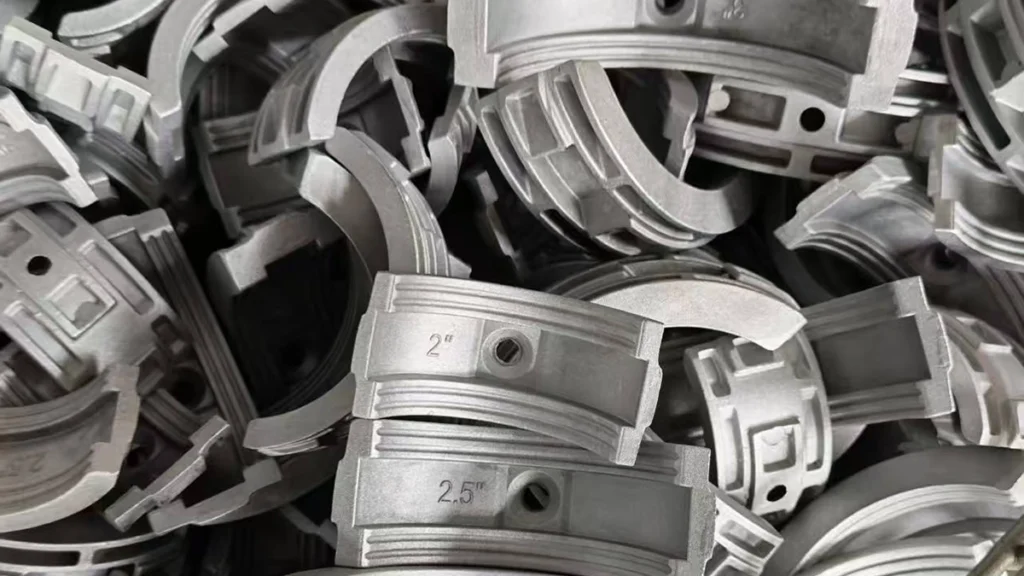
The kit’s foundation is the welding unit itself. Standard Ekberg butt fusion machines are engineered around a high-tensile aluminum alloy chassis, built to resist corrosion and structural deformation under intense clamping forces (reaching up to 160 bar for large diameters). However, a chassis is useless without the correct inserts. A comprehensive kit for a 315mm hydraulic butt fusion machine, for instance, must include a full, layered set of aluminum reducers.
The hydraulic unit acts as the operation’s muscle. It must deliver precise pressure control to satisfy the drag pressure plus interfacial pressure formula (). Equally critical is the heating plate, which requires a premium PTFE (Teflon) coating to prevent molten plastic adhesion and subsequent joint contamination. Professional kits always include a support basket to house the heater and milling cutter (facer) when idle, shielding the delicate PTFE surface from ground debris and scratches.
Pipe Preparation Tools: Scrapers and Cutters
Achieving an ISO 21307 compliant weld demands pristine pipe ends. The oxidation layer naturally found on HDPE surfaces can compromise fusion integrity if left intact. While some contractors attempt to use hand scrapers, professional kits should include mechanical rotary peelers or specialized scrapers. These tools guarantee the uniform removal of 0.2mm–0.3mm of the oxidized surface—consistency that is nearly impossible to achieve manually.
Furthermore, the kit must feature a guillotine pipe cutter or a high-grade rotary cutter. A rough or angled cut (exceeding the maximum allowable gap, typically <10% of wall thickness) forces the milling cutter to overwork, dulling blades prematurely and extending “changeover time” during the weld cycle. Including these specific preparation tools in the initial shipment ensures field crews adhere to the strict “clean, scrape, align” protocol mandated by DVS 2207 standards.
Site Logistics and Environment Control Accessories
Field conditions rarely mimic the controlled environment of a factory floor. Consequently, a truly complete kit includes accessories to manage environmental variables. Support rollers are non-negotiable for medium to large diameter pipes (DN1000mm+). Without rollers, the drag force (P_drag) required to pull the pipe spikes, potentially exceeding the hydraulic cylinder’s capacity or causing misalignment due to excessive friction.
Temperature and moisture control are equally vital. Welding tents or heavy-duty umbrellas should be standard in the procurement package. HDPE fusion demands a dry interface; even light rain can flash-cool the heating plate or create steam pockets in the joint, causing immediate failure. Wind is another enemy, causing temperature drift across the heating plate outside the required 200–230°C range. A supplier providing these environmental controls demonstrates a deep understanding of real-world welding physics.
—
Selecting the Right Butt Fusion Machines for Your Project
Choosing the correct butt fusion machine configuration requires balancing capital expenditure (CapEx) against operational efficiency (OpEx). This decision should be driven by specific pipe diameters, SDR (Standard Dimension Ratio), and the required daily joint volume.
Manual vs. Hydraulic vs. CNC: Matching Tech to Project Needs
For small diameter piping (DN40–DN250), manual butt fusion machines operated via a mechanical lever often suffice. They are lightweight and cost-effective, though they rely entirely on the operator’s physical “feel” to apply pressure.
For the standard range (DN40–DN2600), Hydraulic butt fusion machines are the industry workhorses. These units utilize a hydraulic pump to generate the high clamping forces needed for thick-walled pipes (e.g., SDR 11 or SDR 7.4). The operator controls pressure via a lever and monitors a gauge, while the hydraulic system maintains force during the cooling cycle.
Butt fusion machines equipped with CNC (Computer Numerical Control) represent the top tier. These fully automatic units remove operator variance. The user inputs pipe parameters (e.g., DN630, SDR 11, PE100), and the machine calculates exact pressure and timing cycles. The CNC unit automatically manages the bead-up, heat soak, and cooling phases. For projects demanding 100% traceability—such as gas transmission lines—CNC is often mandatory to prevent “short-cycling” the cooling time, a frequent cause of long-term joint failure.
Welding Range and Pressure Specifications
The butt fusion machine’s welding range must match the project’s hydraulic requirements. A frequent error is undersizing the butt fusion welding machine for high-pressure applications. Welding a DN315 SDR 11 pipe requires significantly more force than a DN315 SDR 17 pipe due to increased wall thickness.
Ekberg pipe welding machines are categorized by maximum diameter (e.g., 160mm, 250mm, 630mm). However, buyers must verify the hydraulic cylinder’s cross-sectional area and the pump’s maximum pressure (typically 100–160 bar). If a plastic pipe welding machine must operate at its maximum pressure limit to achieve the weld, it leaves no margin for drag pressure, resulting in weak interface pressure. A sound engineering rule is to select a butt fusion machine where the required welding pressure falls within 30–70% of the unit’s maximum capacity.
| Feature | Manual Machine | Hydraulic Semi-Auto | CNC Automatic |
|---|---|---|---|
| Diameter Range | 40mm – 250mm | 40mm – 2600mm | 63mm – 630mm |
| Pressure Control | Manual Force | Hydraulic Gauge | PLC Automated |
| Data Logging | None | Optional External LDU | Integrated |
| Typical Use | Drainage, Low Pressure | Water, Mining, General | Gas, High Compliance |
| Cost Tier | Low | Medium | High |
Compliance with International Standards (ISO, DVS, ASTM)
Equipment must align with the governing standards of the installation region. In Europe and many global markets, ISO 12176-1 defines fusion equipment characteristics. Projects adhering to German standards look to DVS 2207 for strict pressure and alignment parameters, while North American projects often cite ASTM F2620.
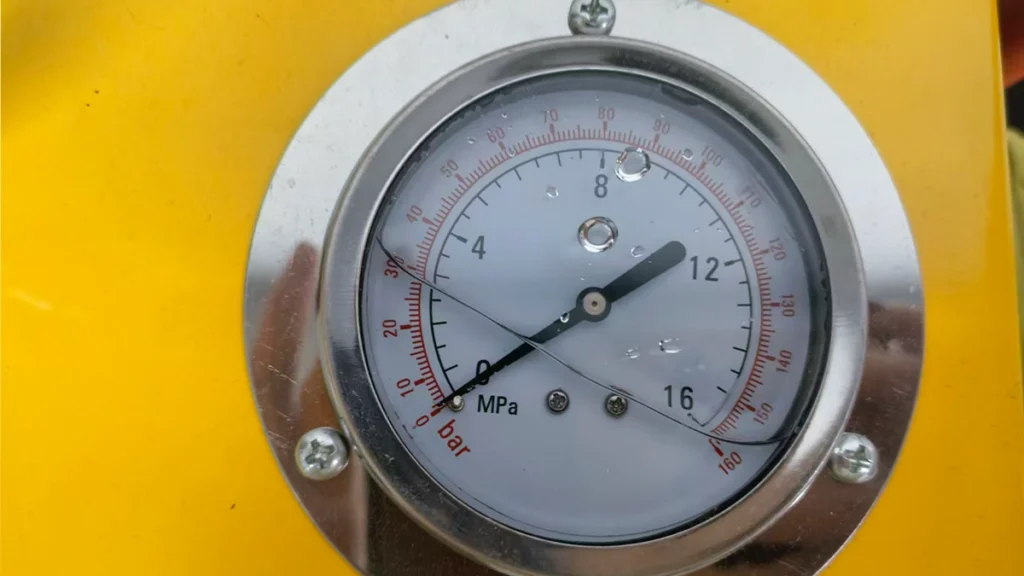
Purchasing a pre-certified kit ensures seamless project acceptance. If a municipal inspector finds the butt fusion machine cannot hold the specific “interfacial pressure” required by local code (e.g., 0.15 MPa for ISO vs. 75 psi for ASTM), the entire project risks shutdown. Ekberg kits are designed for global compliance, featuring pressure gauges and hydraulic systems capable of meeting both High Pressure (SHP) and Low Pressure (SLP) welding parameters.
—
Beyond the Machine: Critical Accessories for Quality Assurance
The HDPE pipe welding machine performs the weld, but the accessories validate it. In modern B2B procurement, the ability to prove work quality is often as valuable as the work itself.
Data Logging and Traceability Systems
The era of undocumented welding is over. Utility companies now demand digital proof for every joint buried underground. Ekberg kits can be equipped with Data Loggers (LDU) or Data Transmission Units (DTU). These devices interface with the hydraulic unit to record critical variables: heating plate temperature, drag pressure, bead-up pressure, heat soak time, and cooling time.
If an operator attempts to open clamps after 10 minutes when the standard requires 20, the data logger flags the weld as “Failed.” This immediate feedback loop prevents compromised joints from being installed. For the buyer, investing in a kit with integrated data logging offers liability protection, transforming a physical weld into a digital asset complete with timestamp, GPS location, and operator ID.
Electrical Compatibility and Generator Sizing
Power supply is a common oversight in procurement. A complete kit draws significant power, primarily for the heating plate and milling cutter. Total load must be calculated to size the generator correctly. The rule of thumb is: Total Machine Power (kW) \times 1.5 = Minimum Generator kVA.
For a small 250mm hydraulic butt fusion machine, the total load might be 3.65 kW, requiring a 5–7 kVA generator. Conversely, a large 630mm hydraulic butt fusion machine can draw over 15 kW, necessitating a 30–40 kVA unit. Using an undersized generator causes voltage drops, leading to temperature fluctuations in the heating plate or hydraulic motor damage. A professional supplier will provide a specific “Power Requirements Checklist” to ensure the site generator matches the deployed butt fusion machines.
Spare Parts and Maintenance Kits
Remote projects cannot afford to wait weeks for a replacement fuse. A strategic installation kit includes a comprehensive “First Aid” spare parts box containing:
- Double-edged Facer Blades: These dull over time and must remain sharp to create continuous ribbons.
- Hydraulic Quick-Couplers: Prone to damage if dragged through mud.
- Thermocouples: Essential for accurate temperature readings.
- Basic Tools: Spanners and screwdrivers specifically sized for the butt fusion machine’s clamps and chassis bolts.
Having these items on-site ensures minor maintenance issues do not escalate into major project delays.
—
Strategic Supplier Selection Criteria for Complete Kits
Choosing a supplier is as critical as choosing the butt fusion welding machine. The distinction between a manufacturer (OEM) and a trading company often dictates the level of support and customization available.
Manufacturer (OEM) vs. Trading Company
Buying directly from a manufacturer like Ekberg offers distinct advantages over general trading companies. An OEM possesses deep engineering knowledge of the equipment, allowing for customization of voltage (e.g., 110V for UK sites, 220V for general use, or 415V 3-phase for industrial plants) and plug types to match local infrastructure.
Furthermore, warranty support is streamlined. Trading companies often act as middlemen, delaying warranty claims while they contact the actual factory. Factory-direct warranties typically cover the entire kit—hydraulics, electronics, and frame—under a unified policy. This single-point accountability simplifies asset management for the buyer.
Logistics and Packaging for Global Shipping
Butt fusion machines are heavy, precision instruments. Poor packaging leads to hydraulic leaks or bent frames during ocean freight. Professional suppliers utilize fumigated wooden crates complying with ISPM 15 export standards, ensuring the machine is bolted to the crate floor rather than sitting loose.
“Container Optimization” is another strategic service offered by top-tier suppliers. By sourcing pipes and butt fusion machines from the same logistical partner, or having the butt fusion welding machine supplier calculate the optimal loading plan, buyers can fit HDPE pipe welding machines into the “dead space” of pipe containers. This can save thousands in freight costs, effectively subsidizing the cost of equipment accessories.
Training and After-Sales Technical Support
The best kit is useless if the operator lacks the knowledge to use it. Suppliers should offer comprehensive training resources, ranging from detailed video tutorials covering setup and maintenance to live virtual training sessions.
Technical support must extend beyond “read the manual.” Look for suppliers offering 24/7 troubleshooting for hydraulic and electrical systems. When a hdpe fusion machine fails to build pressure at 2 AM on a critical shutdown project, direct access to a technician who can diagnose a stuck solenoid valve via video call is invaluable.
—
Manufacturing Excellence, Quality Control & Service
Butt fusion machine reliability is determined on the factory floor long before it reaches the job site. Understanding a supplier’s quality control (QC) protocols helps mitigate risk.
Factory Testing Procedures Before Shipment
Rigorous testing is the hallmark of a quality manufacturer. Before any Ekberg butt fusion welding machine is crated, it undergoes a series of validations. The hydraulic system is subjected to a “pressure holding test,” pressurized to max capacity (e.g., 160 bar) and monitored for leaks over several hours.
The heating plate undergoes thermal mapping to ensure temperature uniformity across the entire surface, verifying it stays within the ±5°C tolerance required by ISO standards. Finally, a “pre-assembly check” is performed where the full kit—inserts, chassis, and hydraulics—is assembled to ensure fitment. This prevents the nightmare scenario of arriving on site with a DN250 insert that doesn’t fit the DN315 chassis.
Material Quality and Durability Standards
Equipment longevity depends on material selection. High-quality chassis are cast from aviation-grade aluminum alloys, offering high tensile strength with low weight. Cheaper alternatives often use brittle recycled aluminum that can crack under heavy clamping loads.
Critical components like hydraulic seals should be sourced from reputable global brands to ensure longevity and leak resistance. The PTFE coating on the heating plate must be industrial-grade to withstand thousands of heating cycles without flaking. Demand material certificates from suppliers to verify these specifications.
Certification and Global Compliance
Valid manufacturers possess certifications extending beyond a simple CE mark. ISO 9001 certification indicates a managed quality system where every defect is tracked and rectified. Safety features are also part of compliance; butt fusion machines should have leakage protection, thermal overload switches for the motor, and emergency stop buttons that are easily accessible. These features protect both the operator and the investment.
—
Frequently Asked Questions
Q1: What items are standardly included in a “complete” butt fusion machine kit?
A complete kit standardly includes the butt fusion machine body (chassis), a hydraulic unit (for semi-auto/CNC), a milling cutter (facer), a heating plate, and a storage basket. Crucially, it must also include a full set of aluminum inserts (reducers) for all pipe sizes within the machine’s range (e.g., 63mm to 160mm), a tool kit for assembly, and operation manuals.
Q2: Can Ekberg customize the voltage and plug types for the machines and accessories based on my country?
Yes. As a factory-direct manufacturer, Ekberg can customize electrical components to match local requirements. This includes configuring motors and heaters for 110V (common in UK construction), 220V single-phase, or 380V/415V three-phase power. We also install specific industrial plugs (e.g., CEE, NEMA) used in your region to ensure immediate plug-and-play capability.
Q3: How do I determine which size generator I need to power the full welding kit?
You should calculate the total power consumption of the heater, facer, and hydraulic motor, then multiply by a safety factor of 1.5. For example, a 250mm hydraulic butt fusion machine typically draws ~3.6 kW, requiring at least a 5.5 kVA generator. Large hydraulic butt fusion machines (1000mm+) may require 30–40 kVA. Always refer to the specific model’s data sheet for the exact total power rating before renting a generator.
Q4: Are the data loggers compatible with standard ISO welding software?
Yes, Ekberg data loggers and CNC systems are designed to comply with ISO 12176 standards. Data output is typically generated in encrypted formats to prevent tampering but can be exported to PDF or Excel for easy reporting to project inspectors. The software tracks critical parameters like temperature, pressure, and time to validate that the weld meets ISO 21307 or DVS 2207 standards.
Q5: What is the typical lead time for shipping a complete container of welding kits?
Lead times vary by order volume and customization. For standard models in stock, dispatch can occur within 3–5 days. For customized voltages or large orders (e.g., a full 20ft container), production and testing typically take 15–20 days. Sea freight times depend on destination but generally range from 20 to 40 days. Ekberg offers expedited processing for urgent infrastructure projects.
—
Conclusion
Sourcing pipeline equipment is a strategic decision that impacts the long-term integrity of water and gas networks. Opting for complete installation kits eliminates the compatibility risks and logistical headaches associated with fragmented procurement. By securing a comprehensive package—comprising the chassis, correct inserts, precision tools, and ISO-compliant data logging—contractors ensure their crews are equipped for efficiency and compliance from day one.
Remember, the cost of the equipment is insignificant compared to the cost of a failed joint. The initial quality of your butt fusion machines and the precision of the accompanying accessories dictate the lifespan of the pipeline.
Ready to equip your next project with reliability? Contact Ekberg Welding today for a technical consultation. Let us configure a customized, factory-direct pipeline installation kit that meets your specific ISO, DVS, or ASTM requirements. Request a quote now and ensure your team has the professional tools they need to succeed.