
Where Can I Buy Aftermarket Accessories for Butt Fusion Machine?
Table of Contents
Securing reliable aftermarket components for butt fusion machines often draws the line between a profitable infrastructure project and a financial disaster. When a DN1000 heating plate fails halfway through a weld on a remote mining site, the $5,000+ daily burn rate for a standby crew dwarfs the cost of the spare part itself. This guide navigates the essential ecosystem of consumables—from PTFE-coated heating plates to HSS facer blades—and dissects the critical distinctions between OEM and “universal” suppliers.
We will also analyze ISO 21307 compliance for replacement parts, highlight the dangers of non-compliant heating elements, and provide technical checklists for verifying voltage and hydraulic compatibility. By the end, procurement managers and site engineers will possess a clear framework for selecting high-performance accessories that guarantee joint integrity and protect equipment ROI.

The Essential Ecosystem of Aftermarket Accessories for Butt Fusion Machines
Managing a fleet of welding equipment involves more than just buying the chassis; it demands a strategic approach to the entire consumables ecosystem. For pipeline contractors, distinguishing between “consumables” and “permanent fixtures” is vital for accurate budgeting. The aftermarket landscape is dominated by components subjected to extreme thermal and mechanical stress, specifically within the heating, facing, and hydraulic sub-systems.
Categorizing Critical Consumables: Heating Plates, Facer Blades, and Hydraulic Seals
In high-intensity pipeline projects, certain components degrade naturally due to the physics of fusion. The most frequently replaced item is the heating plate. Industry standards like DVS 2207 dictate that the non-stick PTFE (Polytetrafluoroethylene) coating must remain intact to prevent molten plastic from sticking to the heater. A coating thickness of >30 microns is the industry benchmark for longevity. Once scratches cover more than 10% of the weld area width, or wear exposes the aluminum substrate, immediate replacement is non-negotiable to avoid joint contamination.
Similarly, the facing tool (trimmer) relies on double-edged blades to shave pipe ends flat. Standard carbon steel blades often dull after just a few dozen cuts on thick-walled HDPE (High-Density Polyethylene). High-Speed Steel (HSS) blades are the superior aftermarket upgrade, offering up to three times the lifespan. Finally, hydraulic quick couplers and seals represent critical failure points. In dusty environments, flat-face couplers can ingest grit, shredding internal O-rings. Keeping a “Critical Spares Kit”—containing a spare heater, a set of HSS blades, and a hydraulic seal kit—is standard operating procedure for any project situated more than 24 hours from a supply hub.
The Role of Reducing Inserts (Liners) in Multi-Diameter Flexibility
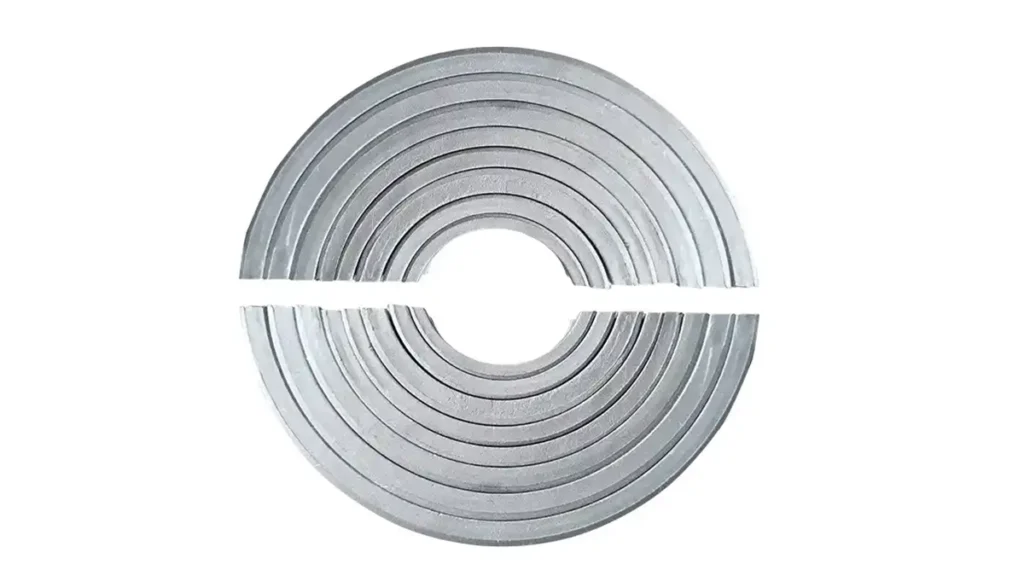
Reducing inserts (or liners) are the aluminum semi-circles that enable a single butt fusion machine frame to weld a broad range of pipe diameters. For instance, a HDPE pipe welding machine built for DN315 pipe cannot weld DN160 without a precise set of inserts layered into the clamps. While they look like simple metal arcs, their dimensional accuracy is paramount.
Cheap, cast aluminum inserts often suffer from poor tolerance control, causing “ovality” or misalignment between pipe ends. If misalignment exceeds 10% of the wall thickness, the joint is non-compliant under ISO 21307. High-quality aftermarket inserts are CNC automatic butt fusion machine from aluminum alloy to guarantee perfect concentricity. Furthermore, different pipe SDRs (Standard Dimension Ratios) may require specific insert profiles to distribute clamp pressure evenly without deforming the pipe wall. Procurement managers must verify that aftermarket inserts are compatible not just with the machine’s jaw size, but with the specific clamping geometry to prevent slippage during the high-pressure drag phase.
Data Logging and Control Unit Upgrades
Modern infrastructure projects, especially in the gas and municipal water sectors, increasingly demand 100% weld traceability. This has driven a surging market for retrofitting basic hydraulic units with data-logging accessories. Older hydraulic butt fusion machines often lack onboard computers. Rather than scrapping a functional chassis, contractors can purchase aftermarket external data loggers or upgrade the hydraulic control unit entirely.
These upgrades enable operators to record parameters such as ambient temperature, drag pressure, bead-up pressure, and cooling time. The device then generates a PDF report compliant with ISO 12176 standards. Advanced aftermarket control units from suppliers like Ekberg Welding can even introduce semi-automatic control to manual butt fusion machines, using sensors to guide the operator through pressure stages and reduce human error. This retrofit strategy significantly boosts asset utility, allowing older fleets to qualify for regulated projects that mandate digital fusion reports.
Evaluating Supplier Channels: OEM vs. Universal Aftermarket vs. Local Distributors
Where you source spare parts dictates both the price you pay and the liability you assume. Buyers generally face three options: buying directly from the Original Equipment Manufacturer (OEM), purchasing from a local multi-brand distributor, or sourcing “universal” parts from online marketplaces. Each channel carries distinct technical and economic implications.
The Risks of Non-Compliant Aftermarket Parts on Weld Quality
The gravest risk in the aftermarket sector is the prevalence of non-compliant heating elements. For a butt fusion joint to succeed, the heating plate must maintain a surface temperature of 215°C ± 15°C (per ISO 21307) or 210°C ± 10°C (per DVS 2207). High-quality OEM plates utilize dual-zone temperature control and high-grade internal resistors to ensure uniformity across the entire plate surface.
Low-cost “universal” aftermarket plates often suffer from cold spots, particularly near the edges, or extreme temperature fluctuations. If a heating plate deviates beyond the allowable tolerance, the polyethylene melt structure becomes inconsistent, leading to brittle joints that fail under pressure. Furthermore, inferior PTFE coatings on cheap aftermarket plates may flake off at operating temperatures (200°C–230°C), embedding contaminants directly into the fusion zone. The savings from a generic $200 heating plate evaporate instantly if a single joint fails hydrostatic testing, forcing excavation and re-welding.
Factory-Direct Sourcing: Cost Benefits and Supply Chain Security
Sourcing directly from a butt fusion machines manufacturer like Ekberg Welding offers a clear economic advantage: eliminating the distributor markup. Traditional supply chains involve a regional importer and a local dealer, each adding 15-30% to the base cost. By purchasing factory-direct, procurement managers secure premium, CNC-machined components at prices competitive with generic alternatives.
Beyond cost, factory-direct sourcing provides supply chain security. Manufacturers maintain deep inventories of raw materials (aluminum blocks for inserts, PTFE for coating) and finished spares. In contrast, local distributors often stock only fast-moving items, leaving you exposed if you need a specific hydraulic cylinder or a non-standard insert size. Manufacturers can also provide “Certificate of Conformity” documents for their spares, proving the replacement part meets original engineering specifications—a requirement often enforced by project auditors.
Universal Compatibility: Myth vs. Reality
“Universal” is a dangerous term in the welding equipment market. While many butt fusion welding machines share similar design architectures (e.g., the frame-style concept), critical interfaces often differ. A “universal” 315mm heating plate might physically fit between the facer and the pipe, but does the electrical plug match?
Voltage mismatches are a common pitfall. A heating plate designed for a 380V 3-phase generator will not function if plugged into a butt fusion machine wired for 220V single-phase, even if the plug fits. Similarly, hydraulic quick couplers (flat face vs. poppet style) vary between brands. Mixing these components can cause leaks or pressure drops, making it impossible to maintain required soak pressure. “Universal” parts often require field modification—splicing wires or changing fittings—which voids warranties and introduces safety risks. True compatibility requires verifying part numbers and technical schematics, not just matching the pipe diameter.
Technical Specifications & Compatibility Checklists for Procurement
When ordering aftermarket accessories, vague descriptions lead to useless shipments. Procurement teams must move beyond requesting a “heater for a 250mm hydraulic butt fusion machine” and specify technical parameters. This section outlines the critical data points required to ensure the parts you order will actually work in the field.
Verifying Heating Plate Specs: Coating Thickness and Temperature Uniformity
Before approving a purchase order for a replacement heating plate, verify the coating specifications. You need a multi-layer PTFE coating with a thickness exceeding 30 microns. Single-layer cosmetic sprays (common on budget parts) will wear through in weeks. Ask the supplier for temperature uniformity data: the plate should not deviate more than ±5°C across its surface once stabilized.
Additionally, check the wattage and connector type. A DN315mm heating plate typically draws between 3kW and 5kW. If the replacement part has significantly different resistance, it may overload your butt fusion machine’s temperature control module or trip the generator. Always request a photo of the aviation plug pin configuration (e.g., 4-pin vs. 7-pin) to ensure it mates with your machine’s receptacle.
Hydraulic System Consumables: Oil Grades and Seal Kits
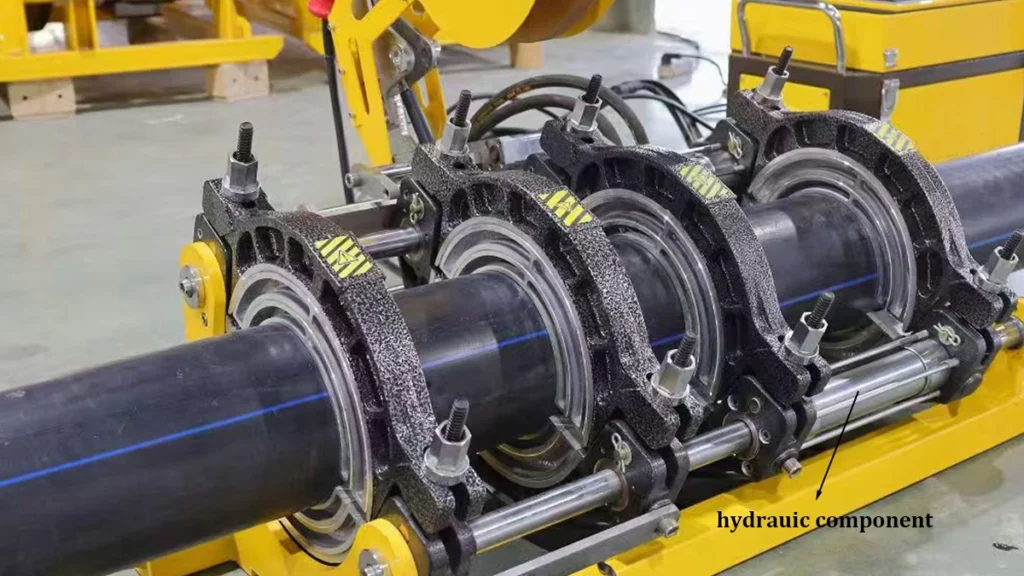
Hydraulic fluid is a consumable often ignored until the butt fusion welding machine becomes sluggish. The standard specification for most butt fusion machines is ISO VG 46 hydraulic oil, suitable for operating temperatures between 7°C and 65°C. However, for projects in extreme cold (e.g., Northern Canada or Scandinavia), you may need ISO VG 32 to prevent the oil from thickening and causing cavitation in the pump.
For seal kits, material matters. Standard Nitrile (NBR) seals are sufficient for general use, but if you work in high-temperature environments or use specialized non-flammable hydraulic fluids, Viton (FKM) seals offer superior chemical and thermal resistance. When ordering a seal kit, provide the hdpe pipe welding machine’s serial number, as manufacturers often upgrade cylinder designs mid-lifecycle, changing gland sizes or piston diameters.
Electrical Requirements: Matching Voltages and Plugs for Global Sites
Electrical incompatibility is the number one reason for aftermarket part returns. The global landscape is split:
- Voltage: 220V (Single Phase) vs. 380V (3-Phase).
- Frequency: 50Hz (Europe/Asia) vs. 60Hz (Americas).
A facer motor wound for 60Hz will run hot and eventually burn out if operated on a 50Hz supply, and vice versa. Furthermore, physical plugs—usually IP54-rated industrial aviation plugs—vary wildly. Some use 4 pins (3 live + earth), while others use 5 or 7 pins to carry temperature sensor data back to the controller. Create a “Site Electrical Profile” checklist for your procurement team that explicitly states the voltage, phase, and plug type used on your specific fleet to prevent ordering incompatible electrical spares.
Maintenance Strategies to Extend Consumable Lifespan
Extending consumable life is the most effective way to lower project costs. While parts like blades and heaters are designed to wear out, poor maintenance accelerates this process significantly. Implementing a disciplined maintenance routine can double the lifespan of these expensive accessories.
Best Practices for Cleaning and Storing Heating Plates
The PTFE coating on a heating plate is fragile when hot. The most common cause of damage is operators using wire brushes, metal scrapers, or abrasive pads to remove molten plastic residue. This strips the non-stick layer, rendering the plate useless.
Correct Protocol:
1. Clean the plate only when it is warm (approx. 180°C), not cold and not at full weld temp.
2. Use a 100% cotton, lint-free cloth or a dedicated paper towel. Synthetic fabrics will melt onto the plate.
3. For stubborn residue, use a small amount of Isopropyl Alcohol or a specialized PTFE cleaner.
4. Store the plate in its dedicated insulated stand or a wooden box. Never leave it lying on the ground where gravel can scratch the surface.
Sharpening and Replacing Facer Blades
Dull facer blades are dangerous. They force the motor to work harder, risking burnout, and tend to “rub” rather than cut, creating heat that can melt the pipe end before welding even begins. Blades should be inspected daily. If the ribbon produced is discontinuous or dusty, the blades are dull.
Most facer blades are double-edged. When one side dulls, they can be reversed. However, when installing new or reversed blades, torque settings are critical. Loose blades will vibrate, creating a “chatter” pattern on the pipe face that prevents proper fusion. Conversely, over-tightening can strip the aluminum threads of the planer disc. Use a torque wrench and follow the manufacturer’s specification (typically 15-25 Nm depending on bolt size).
Preventative Maintenance Schedules for Hydraulic Units
Hydraulic failure is rarely sudden; it usually follows weeks of warning signs. A preventative maintenance schedule should include:
- Weekly: Check hydraulic hoses for abrasion or bulging. A burst hose under 100 bar pressure is a major safety hazard.
- Monthly: Check the accumulator charge. The accumulator maintains pressure during the cooling phase when the pump is off. If pressure drops rapidly during cooling, the accumulator bladder may need recharging with nitrogen.
- Annually: Replace hydraulic oil and the suction filter. Contaminated oil wears out pump gears and destroys cylinder seals.
Comparison of Aftermarket Sourcing Options
| Feature | Ekberg Welding (Factory Direct) | Premium Competitors | Generic/Universal Aftermarket |
|---|---|---|---|
| Sourcing Model | Factory Direct (No middleman) | Distributor Network (Multi-tier) | Online Marketplaces |
| Insert Precision | CNC Machined Aluminum (High fit) | Cast/Machined (High fit) | Often Cast (Variable tolerance) |
| Price Point | Competitive (Manufacturer pricing) | High (Brand markup) | Low (Risk of poor QC) |
| Warranty | 1-Year + Lifetime Support | 1-3 Years | 30 Days / None |
| Data Logging | Integrated or Retrofit | Integrated (Proprietary) | Rare / Basic "Black Box" |
Ekberg Welding: Manufacturing Excellence & Global Parts Support
At Ekberg Welding, we understand that a butt fusion machine is only as good as its support network. We don’t just assemble chassis; we manufacture the critical ecosystem of parts that keeps your project moving. Our approach to aftermarket support is built on precision manufacturing and rapid logistics.
In-House CNC Machining for Precision Inserts and Clamps
Unlike many suppliers who outsource to low-cost foundries, Ekberg maintains in-house CNC machining centers. This allows us to produce aluminum reducing inserts with exceptional dimensional accuracy. Whether you need standard metric sizes or custom inserts for specific SDRs, our machining capabilities ensure that the inserts fit the main clamps with zero play. This rigidity is essential for maintaining alignment during the high-pressure bead-up phase, ensuring that pipe ends meet perfectly square every time.
Rigorous Quality Control on Electrical Components
We treat spare parts with the same rigor as new hdpe pipe jointing machines. Every replacement heating plate undergoes insulation resistance testing and a full thermal cycle test to verify temperature uniformity before it is boxed. Facer motors are load-tested to ensure they can handle the torque required for large-diameter, thick-wall pipes. This QC process eliminates the “dead on arrival” risk associated with generic electrical spares, giving procurement managers peace of mind.
Rapid Global Logistics and Inventory Management
Downtime is the enemy of profitability. Ekberg Welding maintains a strategic inventory of critical spares—seals, blades, heaters, and control boards—ready for immediate dispatch. By bypassing traditional distributor layers, we can ship directly from our factory to your site, often faster than a local dealer can restock. Our logistics team is experienced in handling international freight, ensuring parts clear customs quickly and reach your project site, whether it’s in a European city or a remote mining outpost.
Frequently Asked Questions About Butt Fusion Accessories
Q1: Can I use Ekberg aluminum inserts on other brands of butt fusion machines?
It depends on the specific brand and model. While many frame-style machines share similar jaw dimensions, slight variations in bolt patterns and clamp curvature exist. Ekberg manufactures inserts to high-precision standards that fit our butt fusion machines perfectly. For other brands, we recommend providing technical drawings or samples so we can verify compatibility or butt fusion welding machine custom inserts to ensure proper alignment and pressure distribution.
Q2: How often should the PTFE coating on the heating plate be re-coated or replaced?
There is no fixed time interval; it depends on usage intensity and care. In high-volume environments, a coating might last 6–12 months. You must replace the plate if the coating is worn down to the metal, or if scratches cover more than 10% of the welding zone. Re-coating is possible but often costs nearly as much as a new factory-direct plate and requires specialized industrial application to ensure durability.
Q3: What is the typical lead time for ordering a full set of replacement seals and blades?
For standard consumables like HSS blades, hydraulic seal kits, and common heating plates, Ekberg Welding maintains stock for immediate shipment (typically dispatching within 24-48 hours). International air freight usually delivers these critical spares within 5-7 business days. For custom-machined inserts or non-standard voltages, the lead time may extend to 10-14 days for production and testing.
Q4: Do you offer data logger upgrades for older hydraulic butt fusion models?
Yes. We offer external data logging units that can be retrofitted to most hydraulic butt fusion machines. These units connect to the hydraulic system via a pressure transducer and use temperature probes to monitor the heating plate. This upgrade allows older butt fusion machines to generate ISO 12176-compliant welding reports, extending the useful life of your existing fleet for regulated projects.
Q5: How do I verify if a replacement heating plate is compatible with my machine’s generator?
Check three key factors: Voltage (220V vs. 380V), Phase (Single vs. Three-phase), and Plug Type. The most critical check is the pin configuration on the aviation plug. Count the pins and check the gender (male/female). Also, verify the wattage rating; your generator must have at least 20% overhead capacity above the heater’s power draw (e.g., a 5kW heater needs a generator capable of sustaining 6kW+).
Conclusion
The integrity of a pipeline is ultimately determined by the quality of the weld, which relies heavily on the condition of your equipment’s consumables. Choosing the right aftermarket accessories for butt fusion machines—from precision-machined inserts to ISO-compliant heating plates—is a strategic decision that impacts safety, compliance, and project profitability.
Ekberg Welding is committed to supporting your operations not just with premium machinery, but with a reliable supply of high-grade, factory-direct consumables. We ensure that every spare part meets rigorous performance standards, minimizing downtime and maximizing weld quality. Don’t risk your project timeline on generic, ill-fitting parts.
Contact Ekberg Welding today to request a catalog of compatible spare parts, discuss a data logger retrofit, or get a quote on factory-direct consumables designed to keep your fleet running at peak performance.